Today, we’re shining a spotlight on our Forest School programme for Bristol Children’s Hospital patients.
For children on Sunflower and Bluebell Wards, which care for children recovering from brain surgery, Forest School has been a game-changer.
The programme takes patients out of the Bristol Children’s Hospital and into nature, where they can enjoy new experiences, take part in sensory activities and begin engaging with the world outside the hospital again.
Team Grand Appeal joined patients and their families at Bristol Zoo Project to find out how these Forest School sessions are changing lives.
Sensory Activities
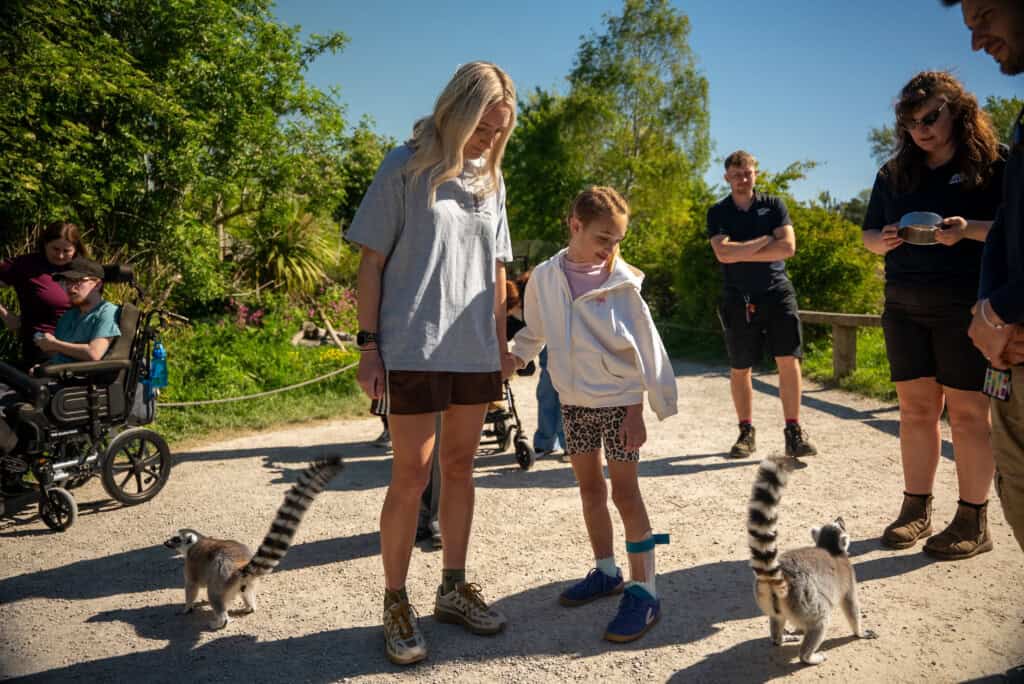
Our first Forest School visit took place in February, led by Beth and Raija from Bristol Zoo Project’s incredible educational team. Joining them for the visit were three patients: Aldo, Lucy and Jasper.
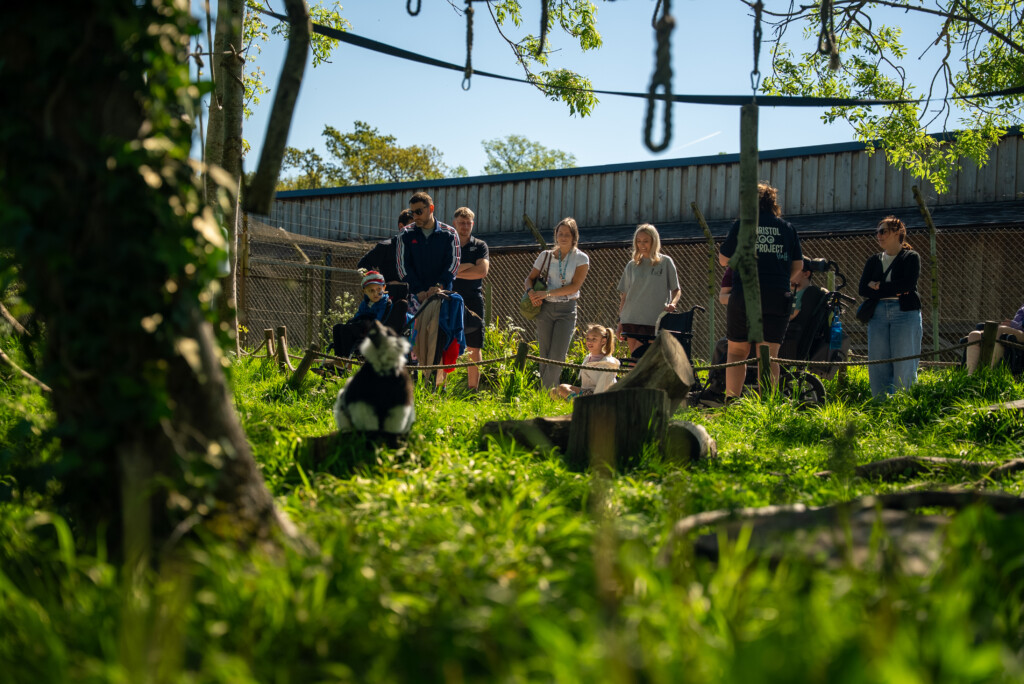
The Meerkat House was the highlight of the visit for everyone. Aldo and Lucy fed the meerkats, while Jasper held some meerkats’ skin so he could explore a new texture.
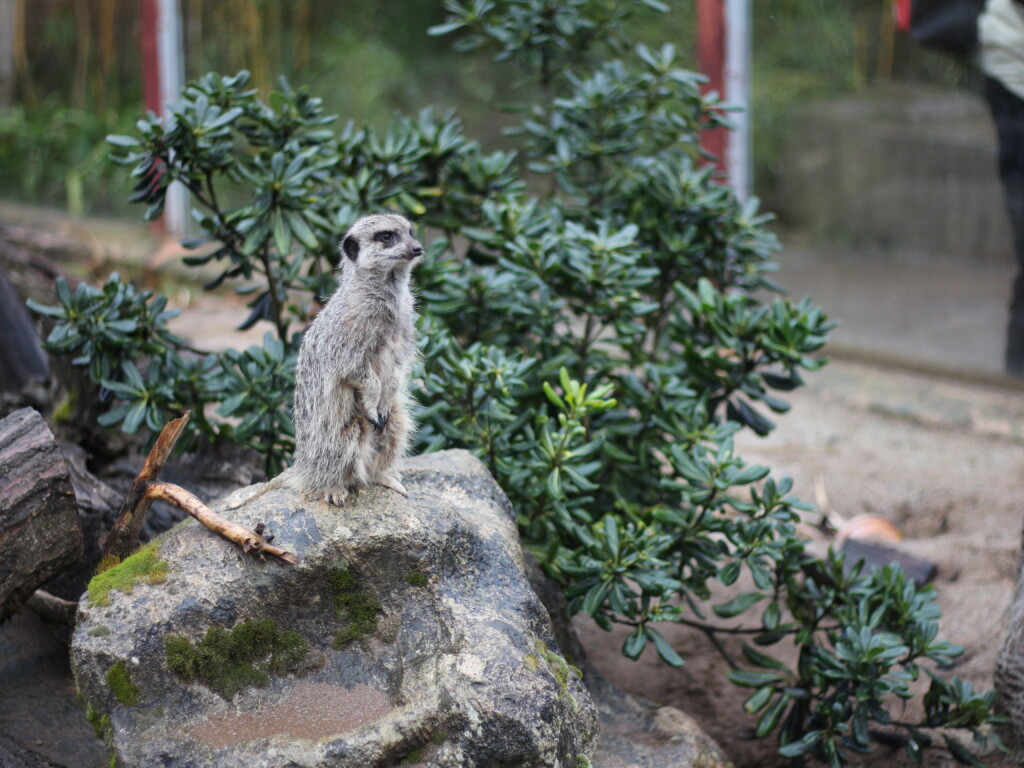
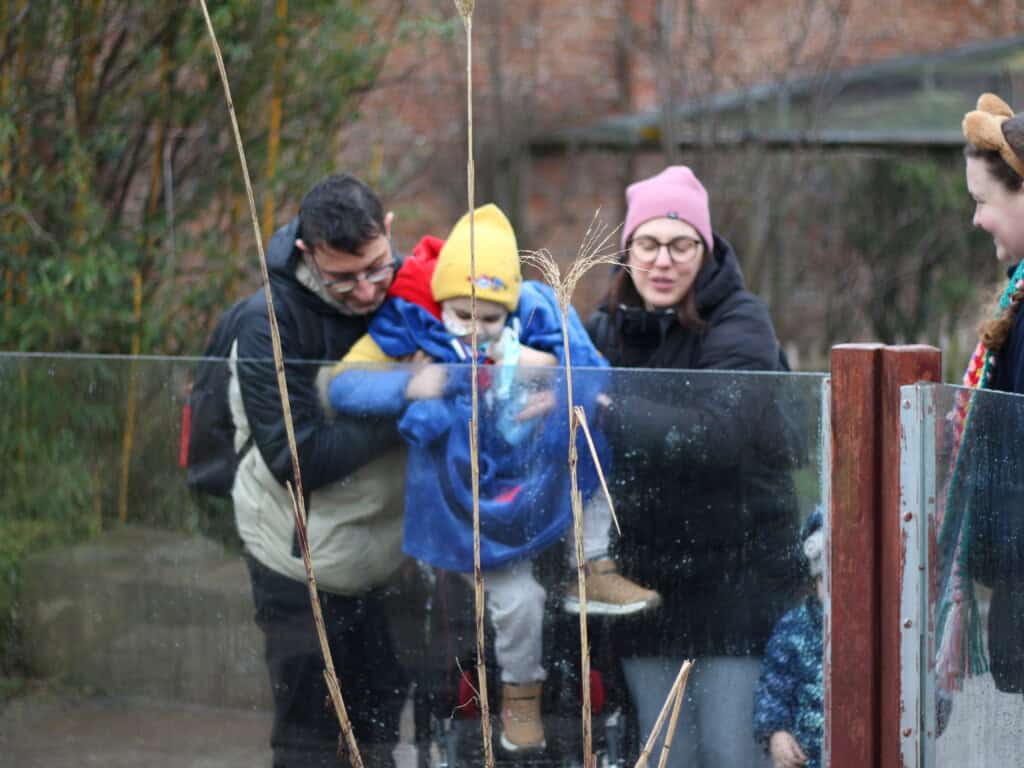
Beth explained the benefits of activities like this visit, saying: “The lessons they take away vary each week, depending on the activity. Preparing food for the meerkats or lemurs gives them a chance to learn amazing animal facts, which they can share with friends and family.”
Alternatively, a birdwatching session introduces children to ecology, habitats, and local ecosystems. Building and managing a campfire teaches practical outdoor skills, including fire safety, teamwork, and responsibility.”
Beth, Bristol Zoo Project“By combining hands-on experiences with meaningful learning opportunities, we help children build confidence, curiosity, and a lasting connection with nature.”
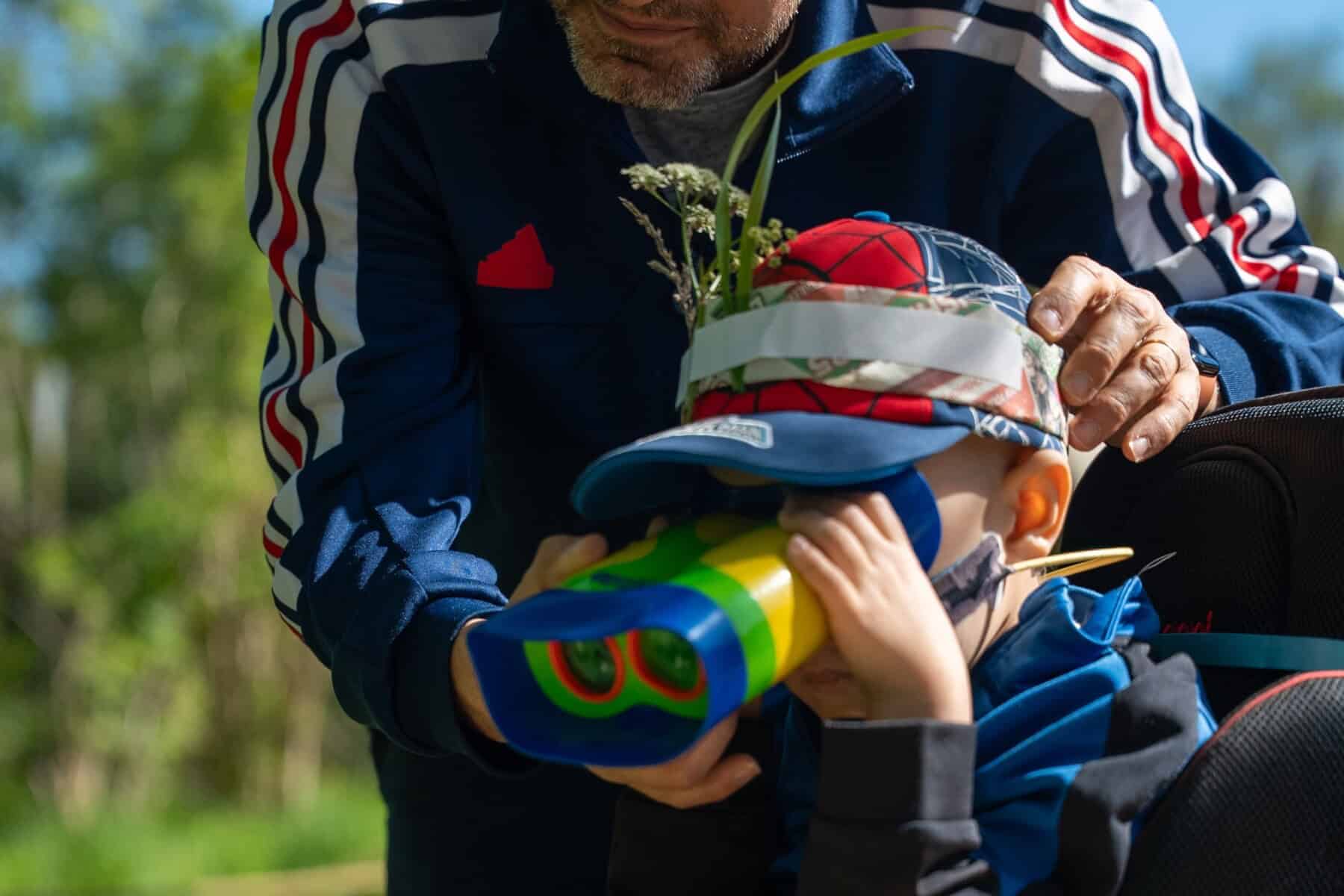
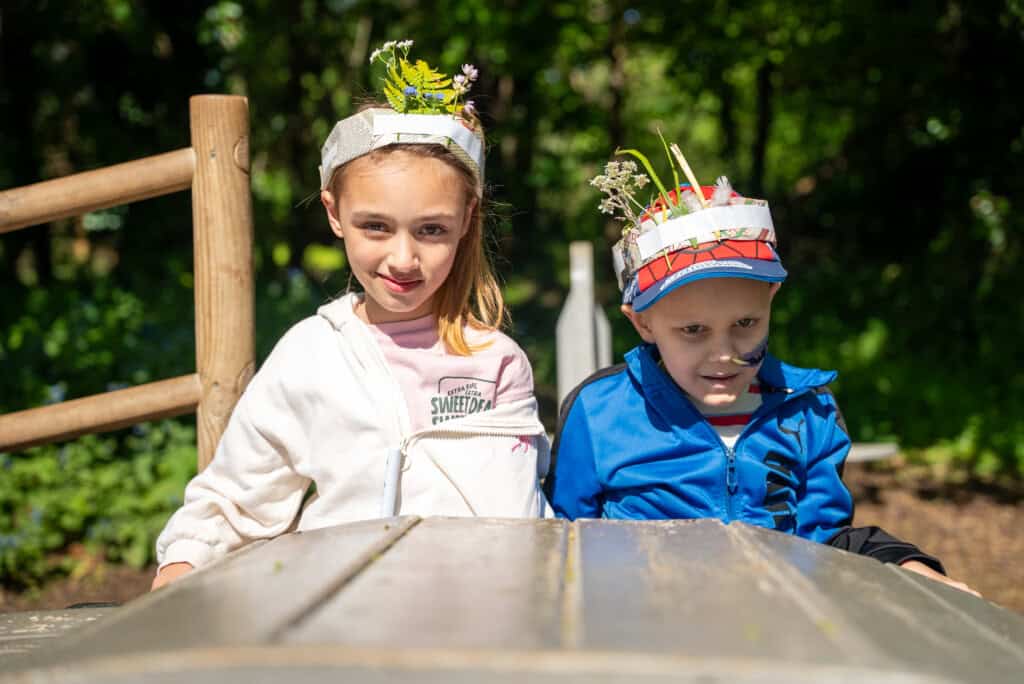
Throughout the morning, the children and their families were working on a craft that the team call journey sticks. At each stop, the children chose an item to add to their journey stick, such as leaves, feathers and flowers. At the end of the day, they went home with a multi-sensory memory of the day to help them recall the sights, sounds, smells, tastes and textures they’d experienced at Forest School.
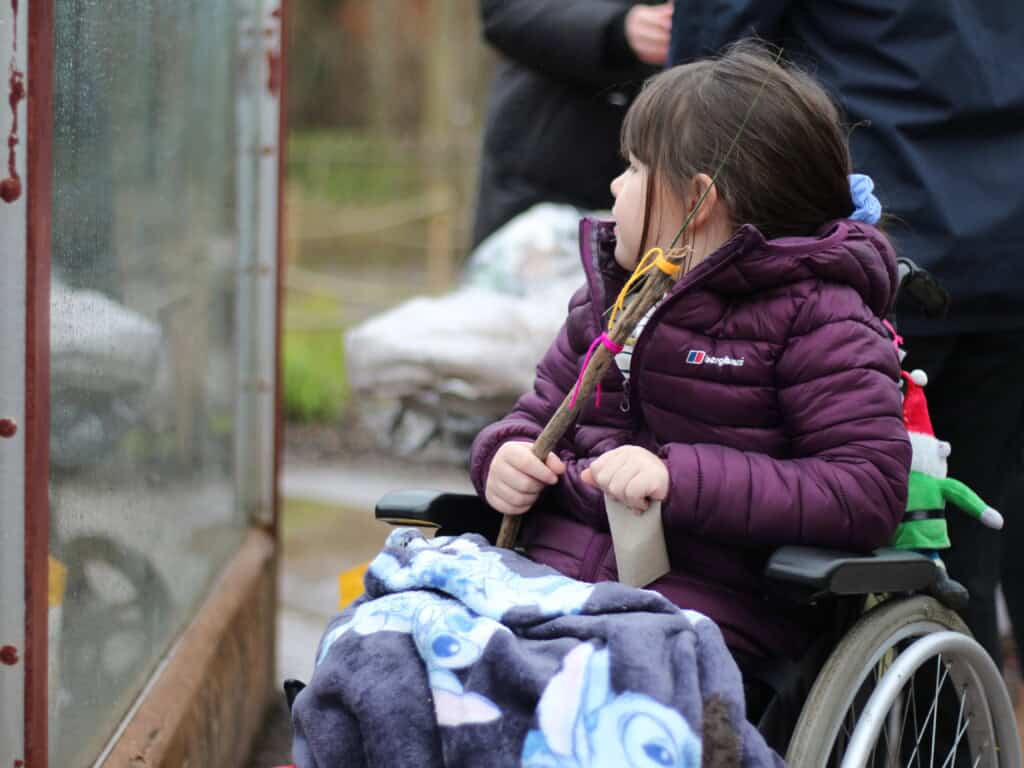
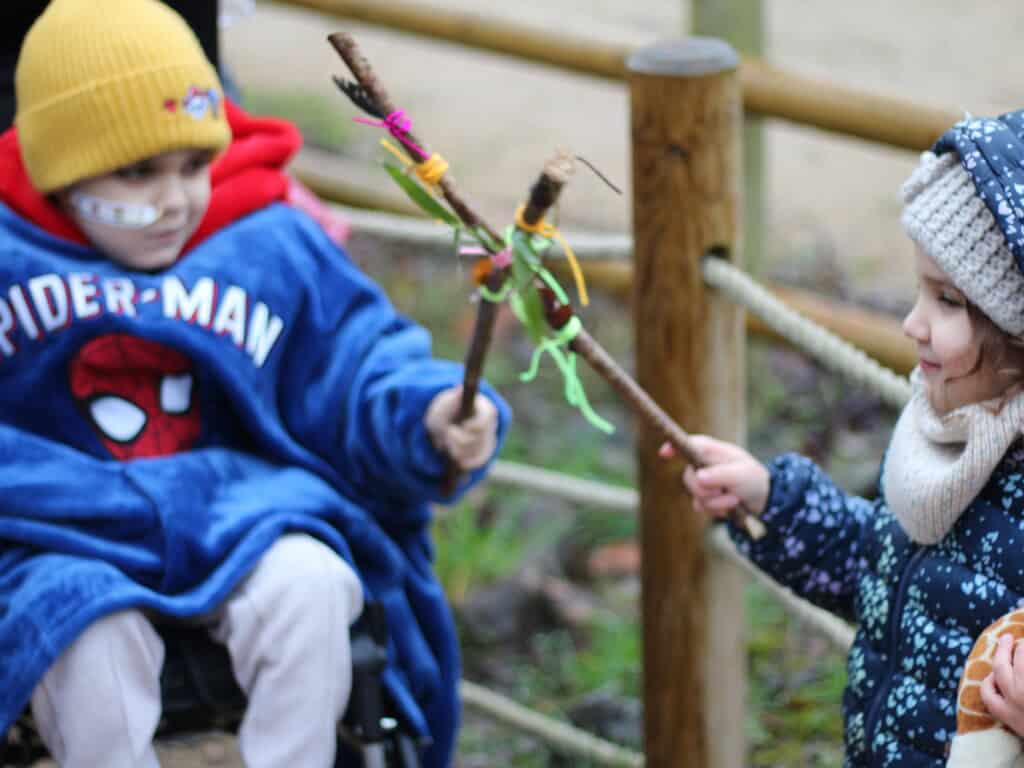
The journey sticks also improved the patients’ confidence by encouraging them to make decisions.
To further develop their decision-making skills, they were allowed to choose from a selection of cuddly toys to carry around the zoo with them.
“Jasper really loved feeling the little toy bear he chose,” Beth told us. “He’s ten months old, and his mum told us he’s only recently started exploring things again with his hands after brain surgery. He felt quite a few different textures today: the ostrich egg, the meerkat skin and the soft toys. You could see the reaction in his eyes, and he smiled widely at one point. When patients are as tiny as Jasper, they can’t join in with the crafts, but the sensory aspect of our activities is even more important for them.”
Jasper’s Story
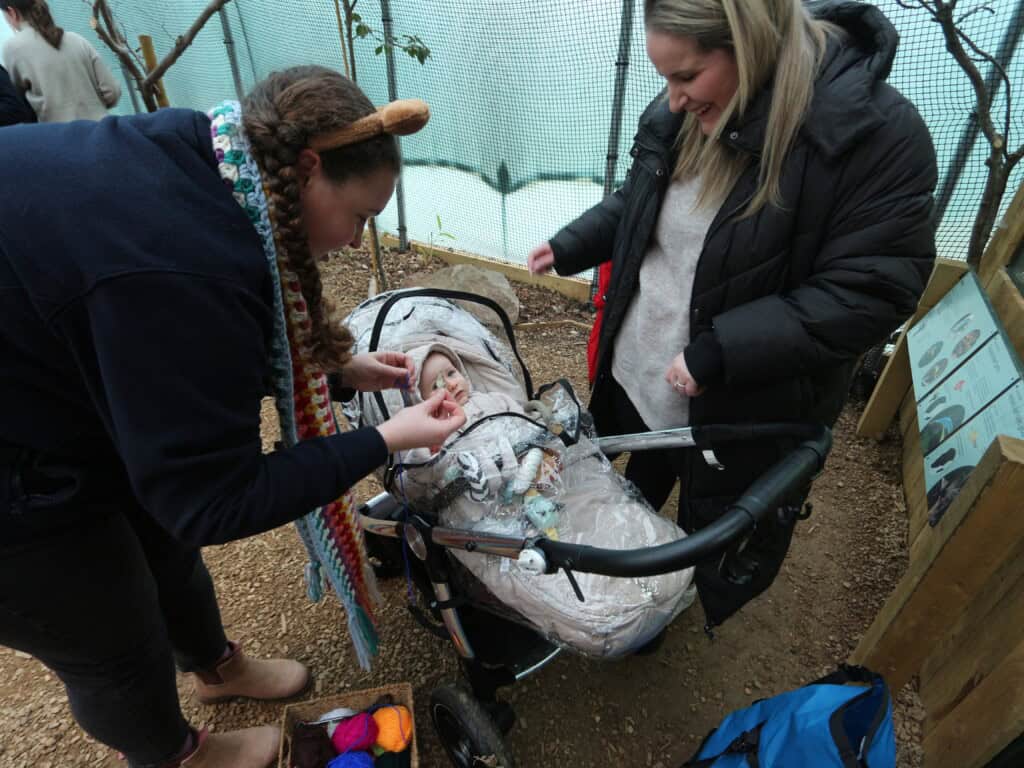
Jasper was just six months old when he suffered a severe brain injury. He lived in the hospital full-time from September to December 2025. While he required around-the-clock care in the hospital, his parents, Seb and Kali, stayed just across the road in Paul House, one of The Grand Appeal’s family accommodation houses.
Jasper got to spend his first Christmas at home, but his hospital journey didn’t end there. He remained under the care of Bristol Children’s Hospital until March this year, visiting the hospital three times a week for outpatient neurorehabilitation appointments.
After Jasper’s brain injury, he’s had to learn almost everything from scratch. “It’s like having a newborn, except he weighs 18 pounds,” Kali explained. “After his injury, Jasper had to relearn speech, language and hand-eye coordination, but he’s kept making progress.”
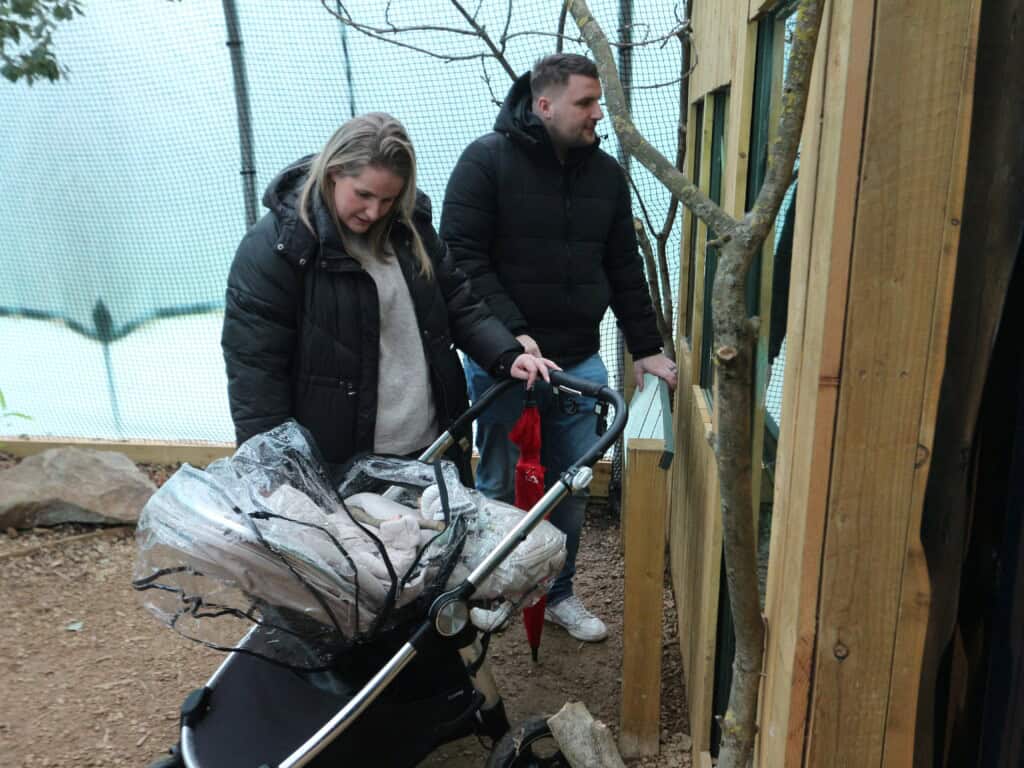
As a baby who has spent such a large part of his life in the hospital, being outside is vital for Jasper.
“We decided to attend Forest School to give ourselves confidence to do things outside of the hospital as a family,” Seb said. “Forest School has helped Jasper thanks to the fresh air, interactions with new people and the sensory experiences. Jasper’s eyes lit up when we visited the giraffe house. His reactions to the sensory touch pieces have been better than they were in a hospital setting. As parents, it was nice to have a normal day out and take our minds off the hospital for a little while.”
Making Progress
Every week at Forest School is different; some children only attend once, while others come back for five or six weeks in a row. Jasper visited Forest School four times before he was discharged from the hospital. Aldo was still attending sessions when we returned to Forest School in April.
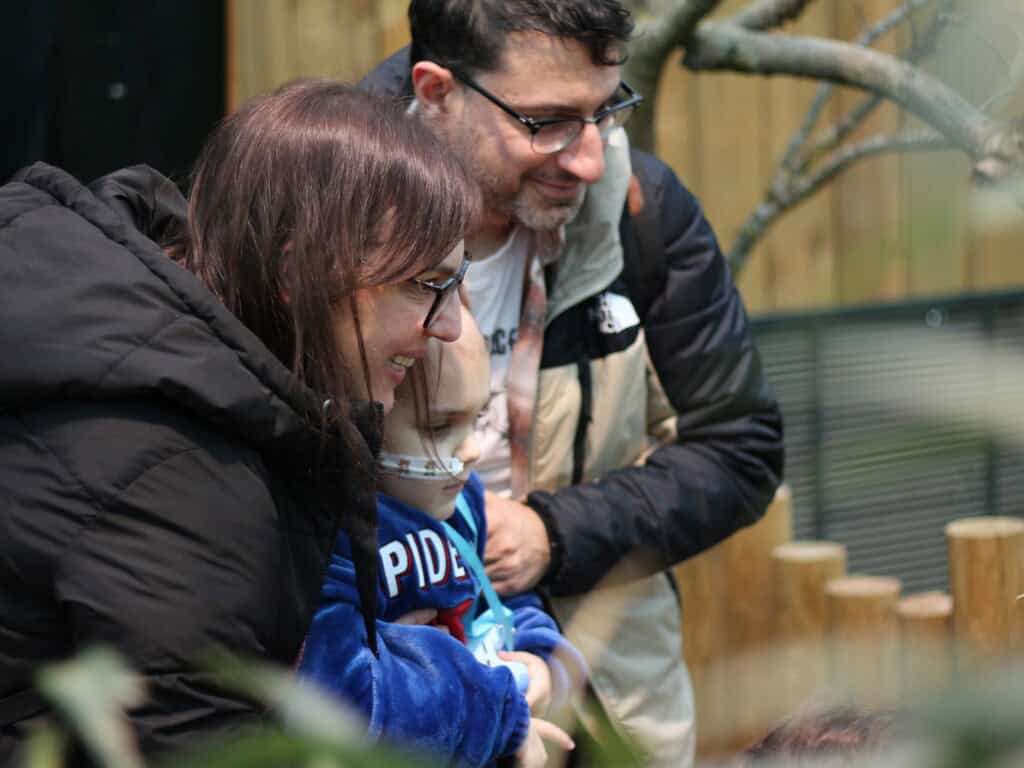
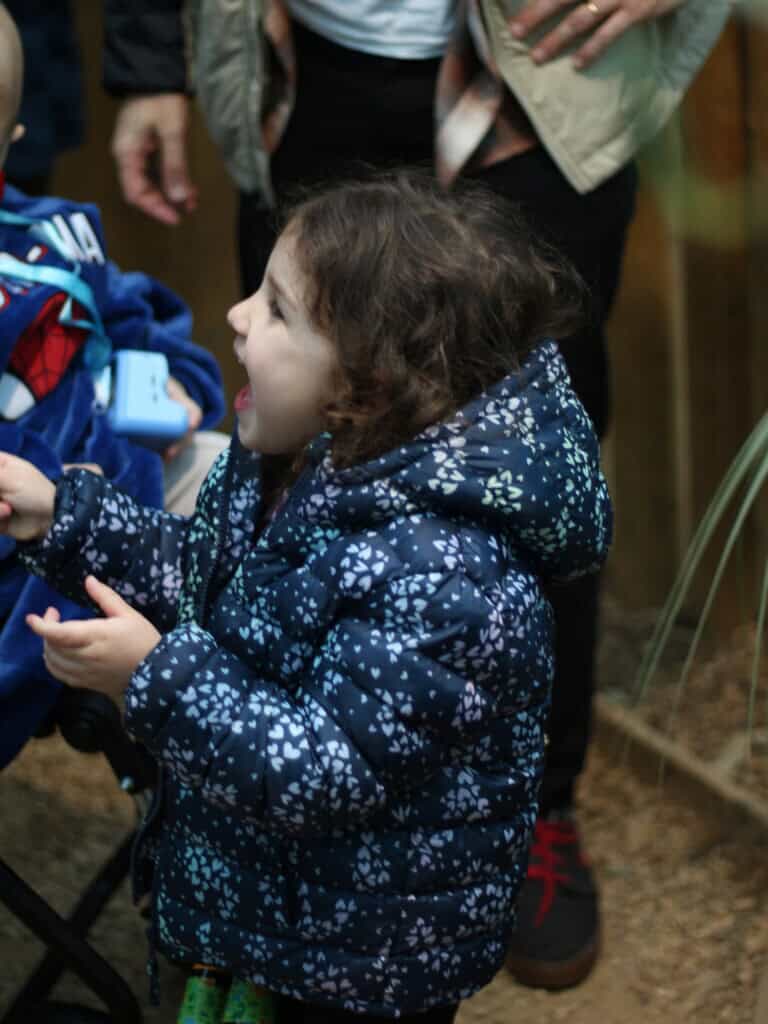
“The difference between the first session and the last session is enormous,” Raija said. “In the first session, patients are usually tired and apprehensive. As the sessions continue, their physical health improves because of the hospital’s efforts, but we also find that their willingness to join in and talk to other people has improved. You can see the progress they’ve made thanks to Forest School.”
In the April session, Aldo and his family were joined by Olive and Ben. As they explored the zoo, the group handled various skins, shells and feathers to gain a deeper understanding of the animals they were visiting.
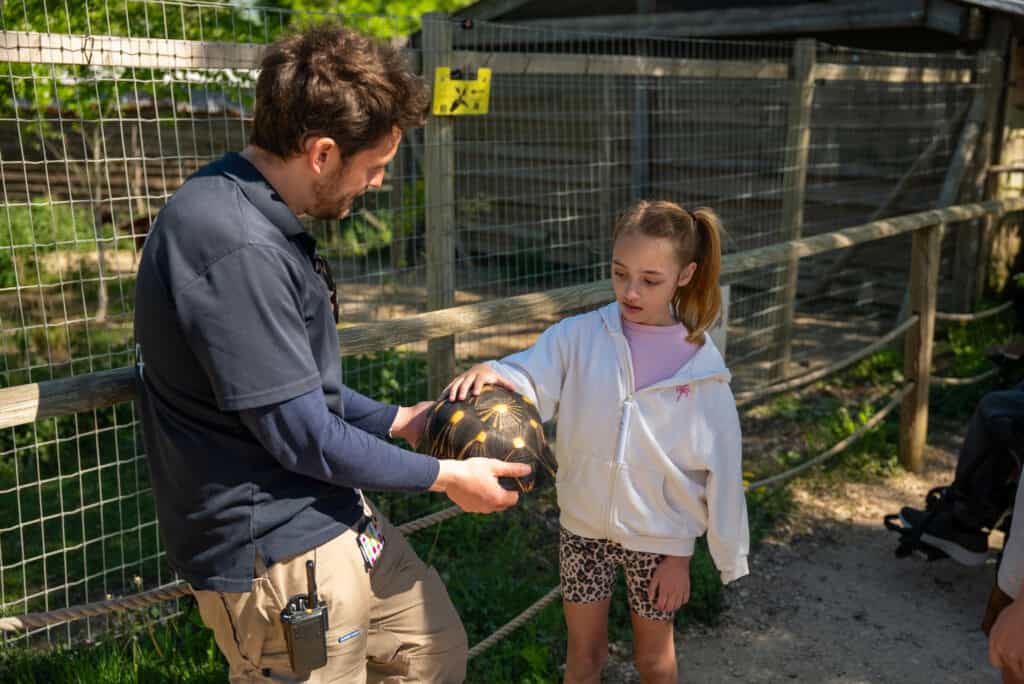
Reflecting on the impact that Forest School has on these patients, Raija told us: “The improvement we see is thanks to the combination of the hospital’s efforts and the work we do at Forest School.
The hospital is working on their physical health, but this is helping their mental health. Their medical care gets them walking again, but the improvement in their mental health is what gets them interacting with the world around them. Without this kind of mental health support, they would leave the hospital with a lot of work left to do on their confidence.”
Thank you to The Hargreaves Foundation and our fantastic fundraisers and donors for making the last five years of Forest School possible. You’ve provided sick children with experiences that aid their recovery, much-needed breaks from the hospital and memories that will last a lifetime.
You might also be interested in…
-
Shining a Spotlight on National Siblings Day
Siblings are often unsung heroes in hospital journeys. Find out about Kerry’s experience looking after three children while her youngest, Theo, was being treated in hospital.
-
The Grand Appeal
Breaking News: The Grand Appeal’s Patient Hotel is Underway
The construction of The Grand Appeal’s Patient Hotel, Jingle Jam Building, has officially commenced!
-
Patients Shoot for the Stars at the British Transplant Games 2025
See how our team got on at the British Transplant Games 2025!