This weekend, experts from across the globe will travel to Bristol for the second International Conference on 3D Technologies in Hospitals (IC3DTH 2026).
But the reason they’re coming here starts much closer to home.
Back in 2019, thanks to the incredible generosity of The Underwood Trust, The Grand Appeal helped establish one of the UK’s first specialist 3D cardiac bio-printing services at Bristol Children’s Hospital. At a time when this technology was still emerging, Bristol invested in its potential to transform care for children with complex heart conditions.
Seven years later, that pioneering service has become internationally recognised, helping to shape the future of 3D healthcare and influencing practice around the world.
Transforming how clinicians prepare for complex surgery
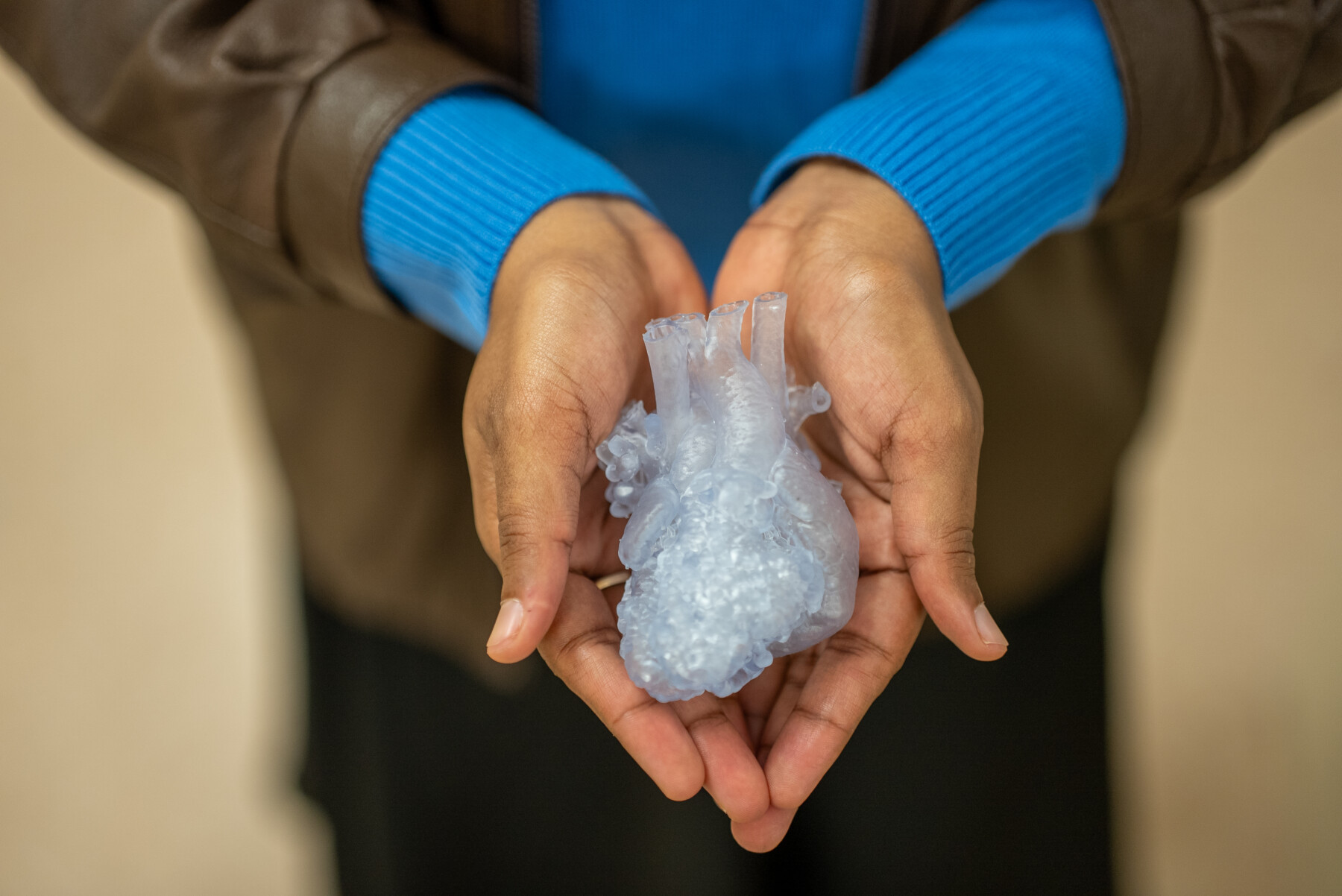
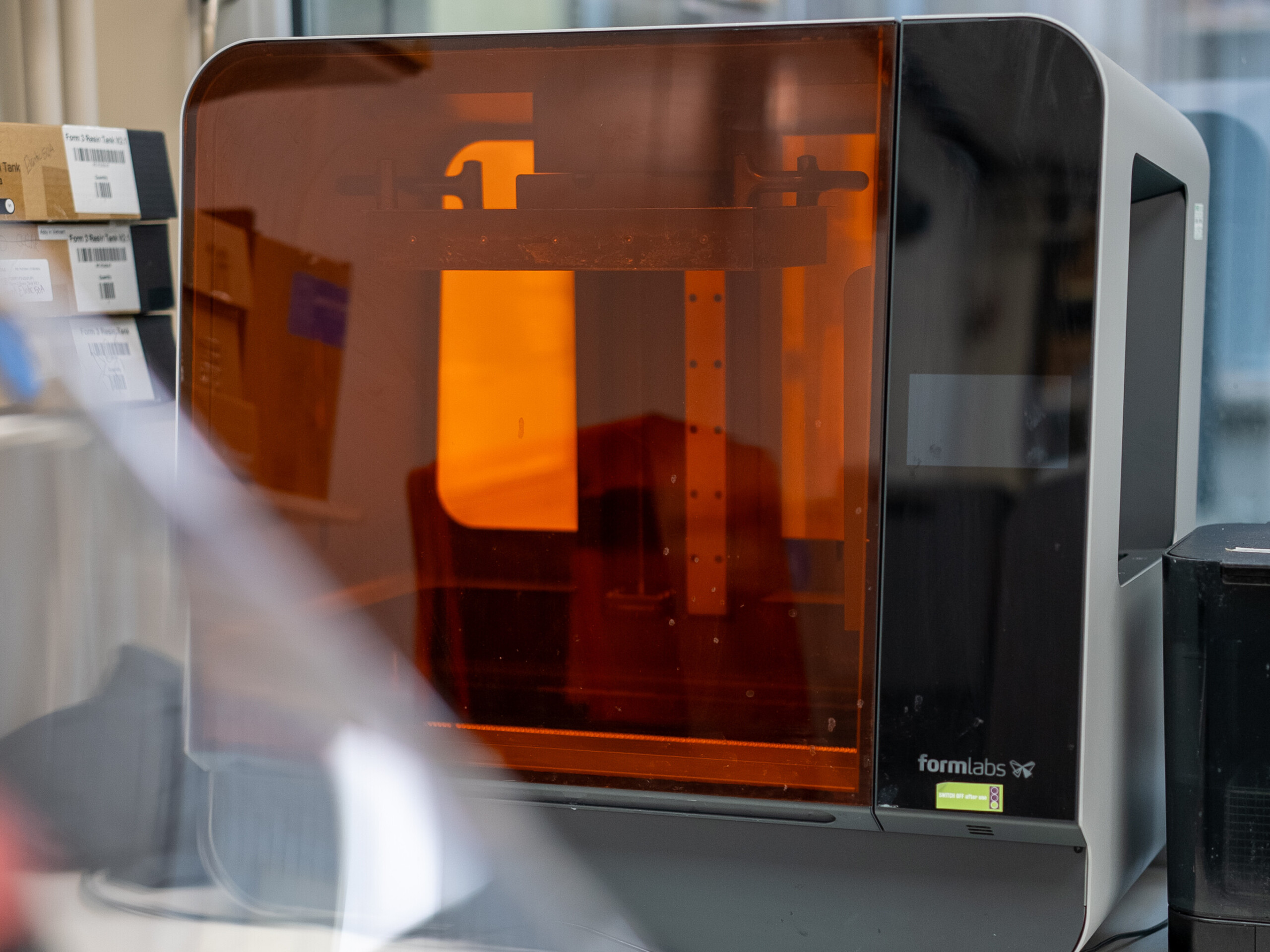
Established in partnership with the University of Bristol and Bristol Children’s Hospital, The Grand Appeal 3D Cardiac Bio-printing Unit uses advanced imaging and 3D printing technology to create highly detailed models of children’s hearts.
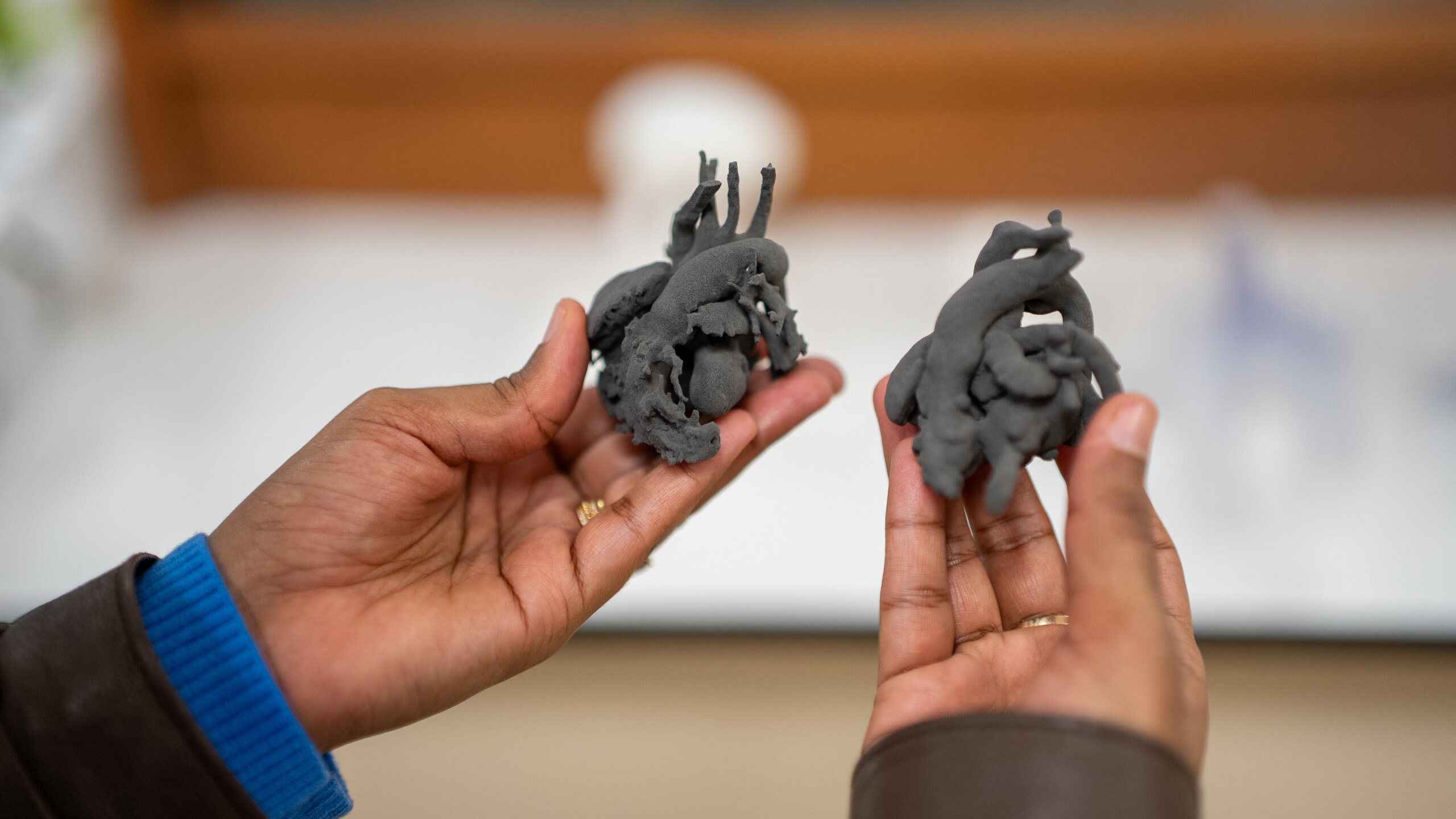
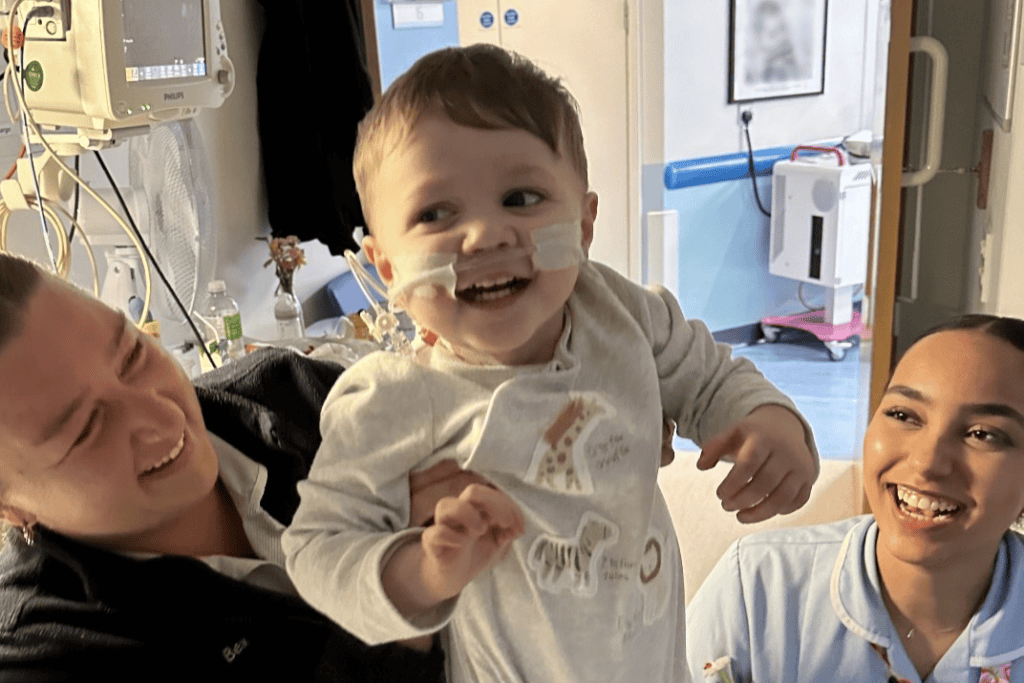
Led by Professor Massimo Caputo, Professor of Congenital Heart Surgery at Bristol Medical School and Dr Giovanni Biglino, Associate Professor in Bioengineering at Bristol Medical School, the team produces bespoke models that help surgical teams plan and prepare for complex procedures, train clinicians and explain conditions and treatment pathways to children and their families. For children like Miles, this technology is part of the support helping surgical teams prepare for life-changing care.
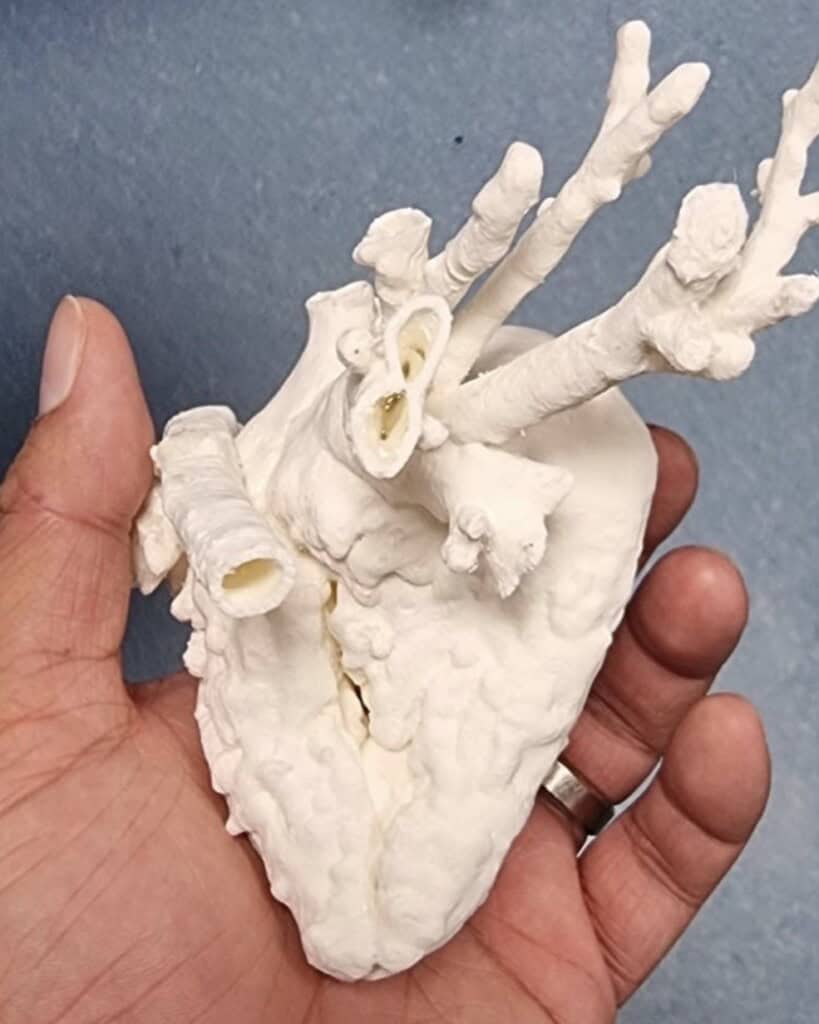
For many patients, these models form part of the preparation for life-changing surgery, providing clinicians with valuable insights before entering the operating theatre.
Between April 2025 and March 2026 alone, the team produced an impressive 178 bespoke 3D printed models of patient’s hearts.
Innovation reaching far beyond the heart
What began as a pioneering cardiac service is now supporting a much wider range of specialties.
The Unit’s technology has also supported work on paediatric tumours, including Wilms tumour (a rare cancer kidney cancer that typically affects children under five) and neuroblastoma, helping clinicians prepare for other complex operations.
Alongside its clinical work, the team continues to push the boundaries of research. Current projects are exploring how 3D models can be reproduced more consistently, how different materials can improve training and communication and how living tissues might one day be created using stem-cell technologies.
As one of the first services of its kind in the UK, the Unit has become a recognised leader in its field, sharing expertise through international collaborations, peer-reviewed research and specialist training programmes.
That reputation is why Bristol has been chosen to host this year’s International Conference on 3D Technologies in Hospitals on Friday 27 to Saturday 28 November.
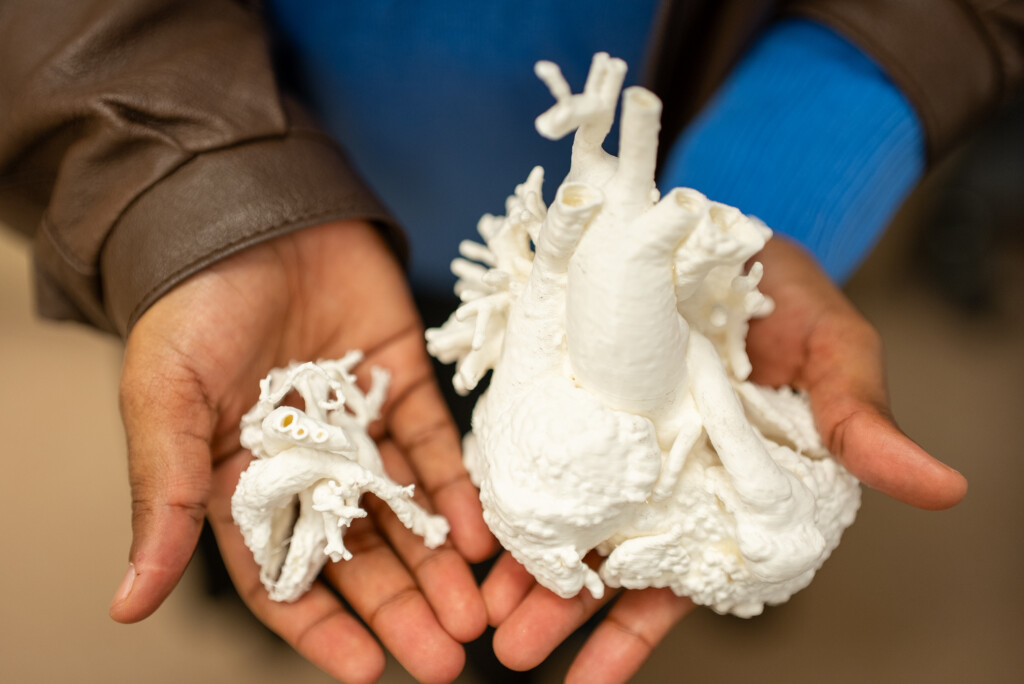
The conference will bring together clinicians, researchers, engineers and industry leaders from around the world to explore the latest advances in healthcare technology.
For the Bristol team, it is an opportunity not only to share knowledge and showcase innovation, but also to highlight how a service made possible through charitable support has grown into a centre of international influence.
From helping families better understand a child’s diagnosis to advancing research that could shape future generations of care, The Grand Appeal 3D Cardiac Bio-printing Unit demonstrates what’s possible when innovation, expertise and generosity come together.
Thank you for continuing to help make advancements like this possible. Your generosity helps bring pioneering ideas to life for children and families at Bristol Children’s Hospital.
You might also be interested in…
-
The Grand Appeal

Shine Bright for Bristol Children’s Hospital Launches for 2026
Shine Bright for Bristol Children’s Hospital for 2026 with some truly stunning displays.
-
The Grand Appeal
Revolutionary Brain Surgery Technology Transforms Lives of Children
Young patients from the South West living with complex neurological conditions are now benefiting from life-changing surgical procedures at Bristol Children’s Hospital thanks to the introduction of Visualase.
-
Cots for Tots
SoNAR Running Man – Big Miles for Tiny Lives
This September, SoNAR Lead Nurse Patrick Turton is lacing up his running shoes for an extraordinary challenge. Patrick is running more than 380 miles across the South West in just 14 days.