September is Hirschsprung’s Awareness Month, a time to raise awareness of a rare bowel condition that many families have never heard of until it affects them.
For Gemma and her family, that awareness became deeply personal when her newborn son, Rowan, was rushed to Bristol Children’s Hospital at just 48 hours old.
Here, Gemma shares what happened in those first frightening days, how specialist teams supported Rowan’s care and why her family is now passionate about helping others feel less alone.
“I had a smooth birth with Rowan, and we spent the first 24 hours enjoying our little newborn bubble. Everything felt normal.
Then, things started to change.
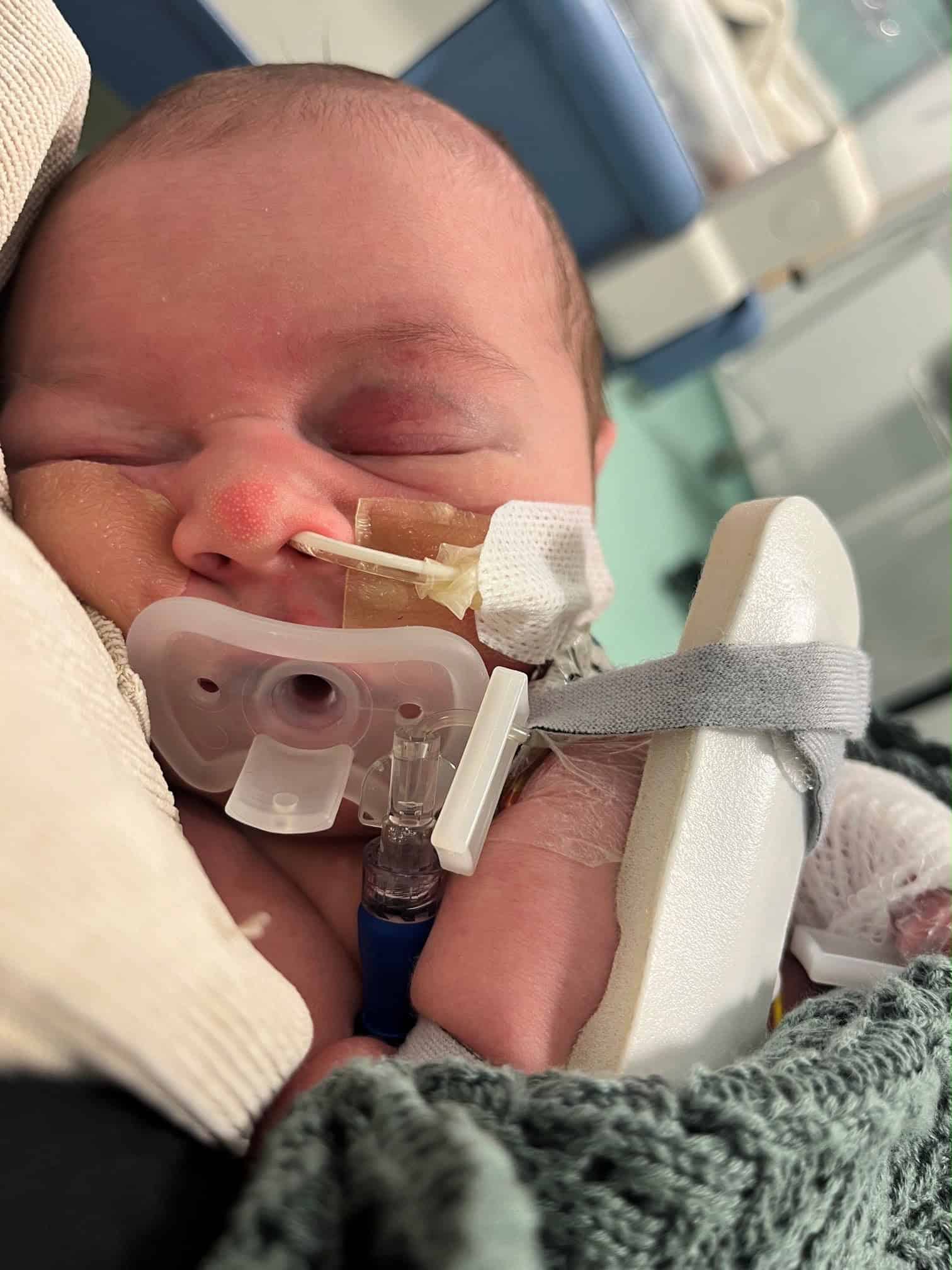
Rowan stopped feeding, became very sleepy and started bringing up bright green vomit. The midwives were concerned, so we took him to Southmead’s Neonatal Intensive Care Unit (NICU) to be assessed.
Soon after, we were told that Rowan needed to be transferred to Bristol Children’s Hospital. I was terrified. You don’t go into pregnancy thinking your baby might become unwell. Suddenly, everything felt uncertain.
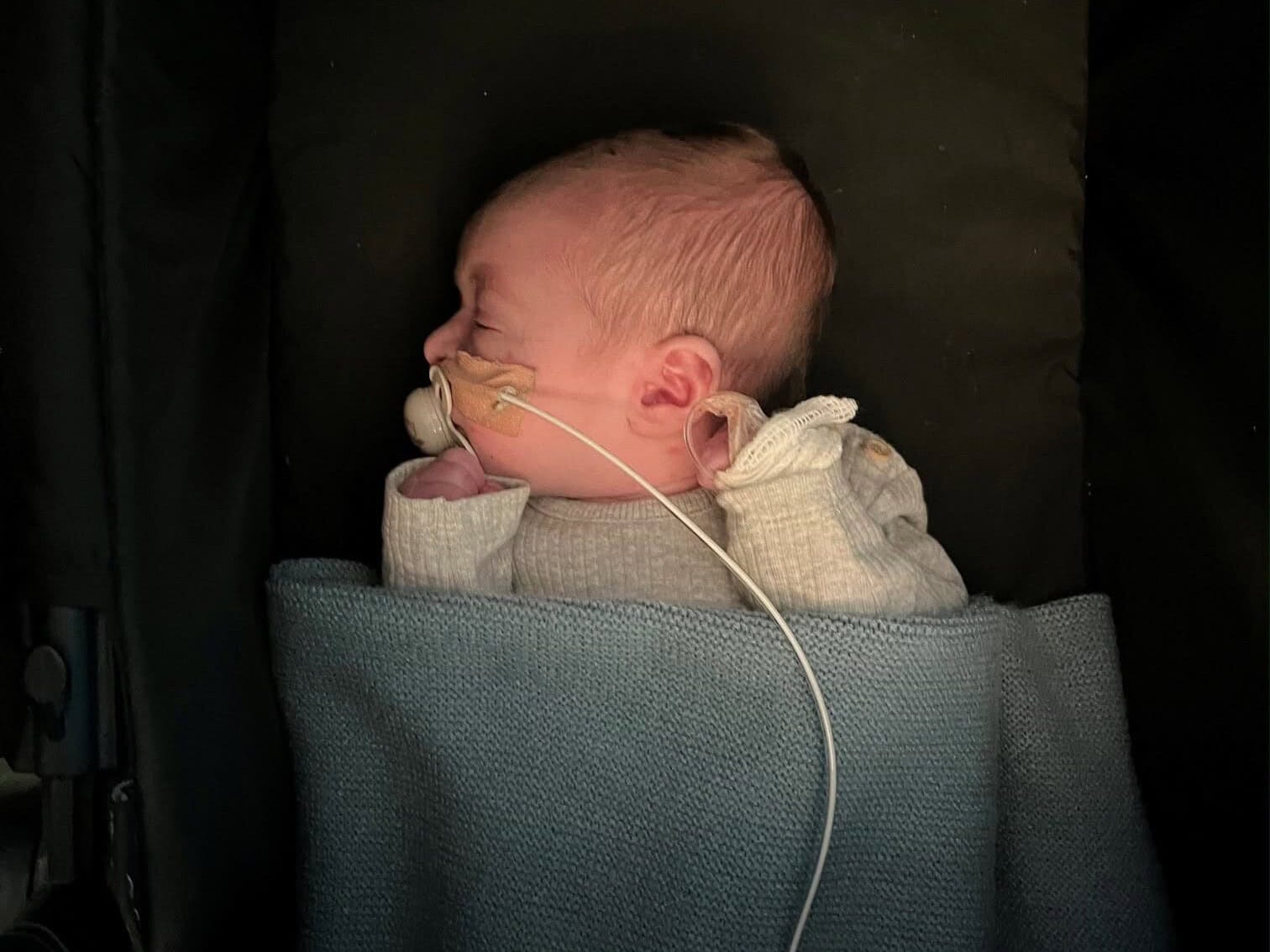
One of the things I remember clearly is the incredible South West Neonatal Network (SoNAR) team who transferred Rowan to Bristol Children’s Hospital.
I was overwhelmed and still recovering from giving birth. Seeing your tiny baby inside a transfer incubator is something nobody can prepare you for. The team were so gentle with me. They held my hand, kept me informed and did everything they could to keep me calm throughout the journey. I will never forget their kindness.
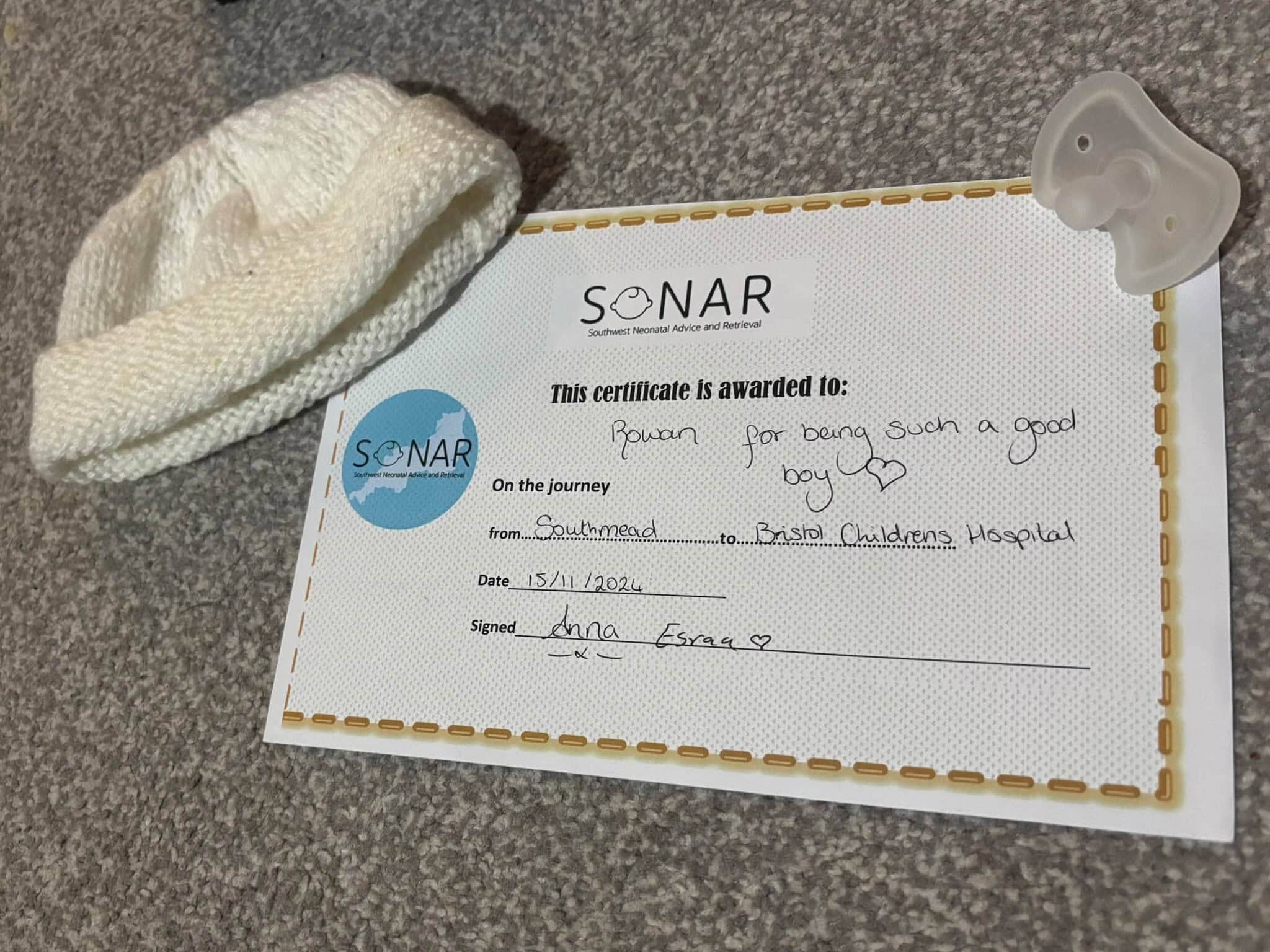
It’s often the little things you remember the most. The team gave Rowan a hat, dummy and certificate for being such a brave boy. At such a frightening time, that small act of kindness meant so much to us.
After further investigations and a biopsy, he was diagnosed with Hirschsprung’s disease, a rare congenital bowel condition that affects around 1 in every 5,000 babies.
We had never heard of the condition before. Suddenly, we were trying to understand what it meant, what treatment Rowan would need and what life would look like going forward.
Our newborn baby spent 12 days on Penguin Ward. At the same time as learning about his diagnosis, I was recovering from childbirth. It was an incredibly challenging time.
There were so many staff members who made a difference to us during those early days. I still remember being met in A&E by Dr Tim Rogers. His calmness and way of explaining what was happening with Rowan helped us enormously when everything felt overwhelming. When I struggled with Rowan’s bowel washouts, he recognised how difficult things were and made adjustments to help support my recovery and Rowan’s care.
The specialist bowel nurses, Claire, Hilary and Cat, were also incredible. We were frightened and genuinely didn’t think we could manage what was being asked of us. They gave us the confidence and skills we needed to care for Rowan at home while we waited for surgery.
Gemma, Rowan’s MumThe nurses didn’t just care for Rowan. They cared for us as parents too. They held Rowan when we needed a moment to breathe and supported us when we were exhausted.
When we left hospital, the challenges didn’t stay within the hospital walls. The hospital had become our safe place. Suddenly, we were responsible for managing Rowan’s condition ourselves, which was overwhelming. Rowan needed bowel washouts twice a day and the responsibility was huge.
Three months later, Rowan returned to Bristol Children’s Hospital for surgery. The day of his operation was difficult to say the least. We were fortunate that treatment was available for Rowan’s condition, but nothing prepares you for handing your baby over for surgery.
It felt like the longest day of my life.
Thankfully, Rowan’s operation went well. Our surgeon, Claire Skeriatt, was wonderful. Throughout Rowan’s admissions, she kept us informed and helped us understand his condition every step of the way.
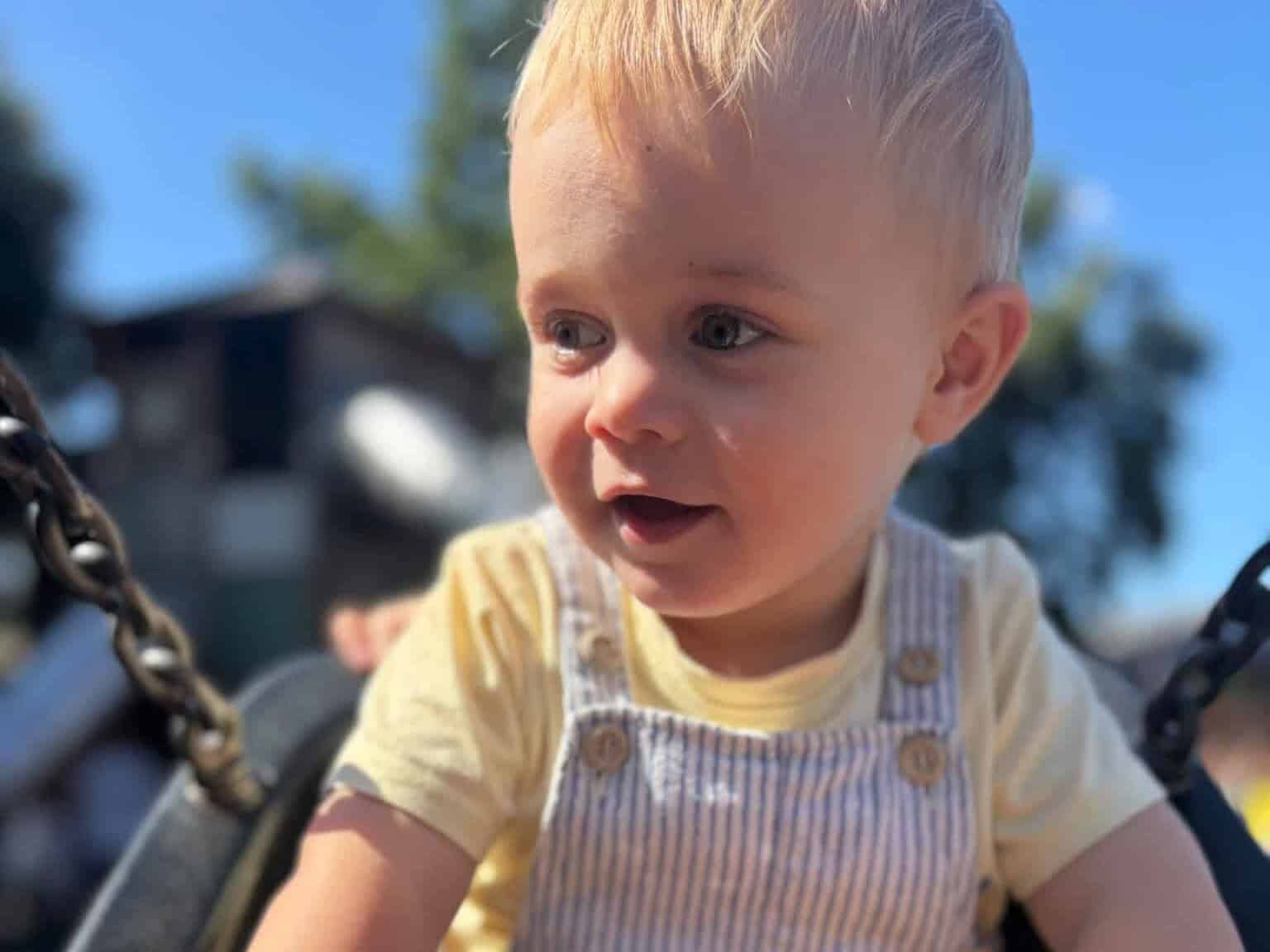
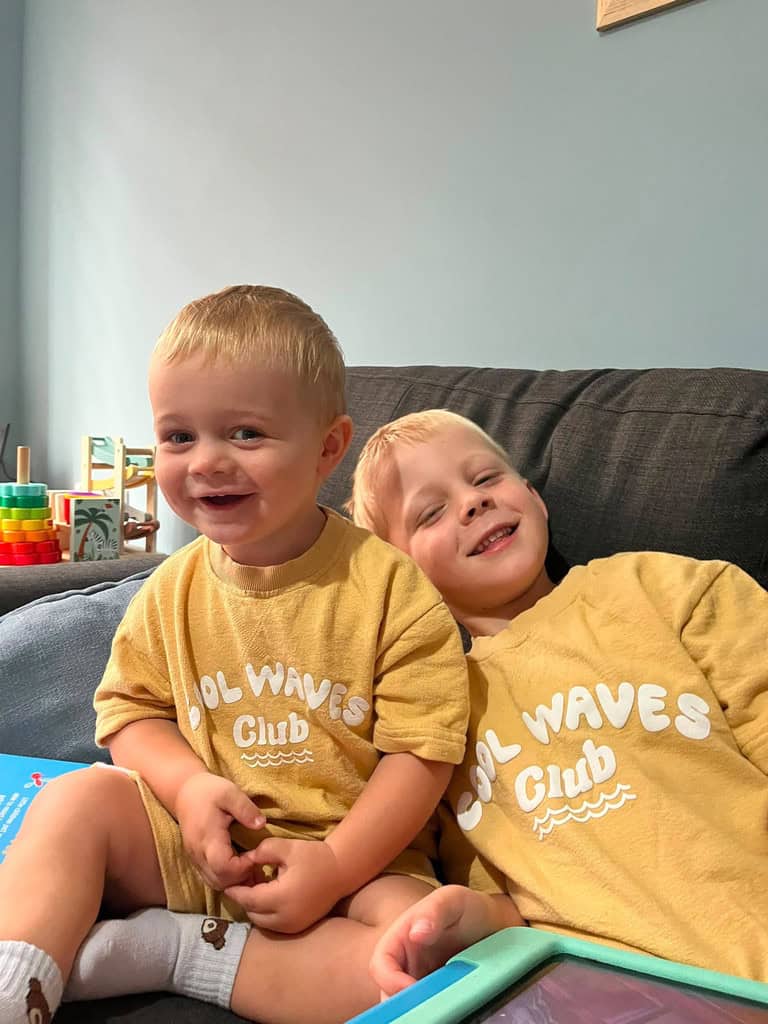
Having a child with a medical condition affects the whole family. One of the hardest things was supporting Rowan’s sibling. I went into hospital to give birth and then didn’t come home with his baby brother for nearly two weeks. Trying to explain what was happening in a way that a child could understand was incredibly difficult.
Now that Rowan is older, he understands more about hospital visits. He becomes upset when he knows he needs to come in, which can be hard to witness as a parent.
Hirschsprung’s disease can also lead to Hirschsprung-associated enterocolitis, a serious inflammatory complication. Unfortunately, this sometimes means further admissions and treatment. Although we’ve already had additional hospital stays, we know we’re in safe hands when we come back to Bristol Children’s Hospital.
Having a seriously unwell child changes your perspective on everything.
We live close to Bristol, so we were fortunate that getting to the hospital wasn’t difficult for us. While we were there, we met families travelling long distances, facing unexpected expenses and having their lives turned upside down.
Looking back, we will always be grateful for the care and kindness our family received during such an uncertain time.
It’s that care that inspired us to give something back.
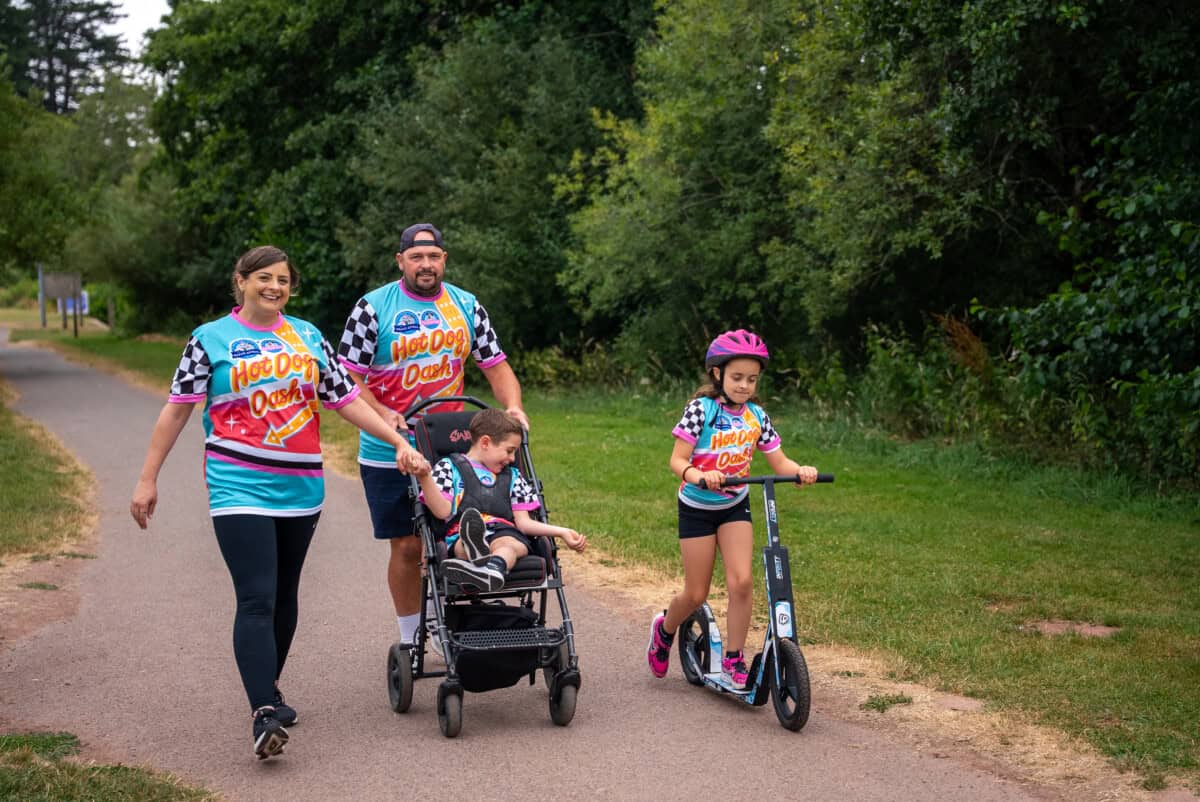
When the opportunity came to fundraise, it felt like our way of saying thank you, our way of turning our experience into something positive and a way to make a difference for other families too.
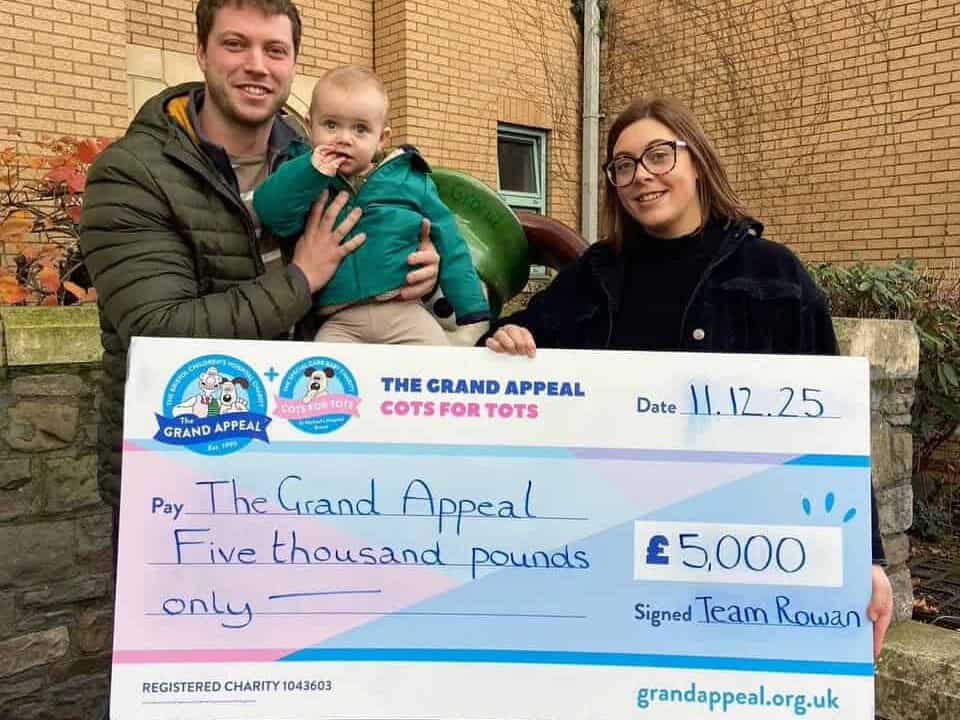
Last year, we took on a 24-Hour Row for Rowan challenge and raised more than £5,000 for The Grand Appeal. It was important to us that some of that fundraising supported SoNAR and went directly to Penguin Ward, where The Grand Appeal continues to support families through their most difficult times.
September is Hirschsprung’s Awareness Month, and raising awareness has become incredibly important to us.
Because Hirschsprung’s disease is so rare, it can feel very isolating when your child is first diagnosed. Every child’s experience is different, which can make it difficult to find people who truly understand what you’re going through.
To any family receiving a diagnosis today, I would say that connection is out there. Finding other people helped us feel less isolated and more hopeful about the future.
You can also find further information about Hirschsprung’s disease through HDUK, the first charity dedicated to supporting people affected by the condition.
Rowan is now nearly two years old and doing well. We’re still learning as we go, but with support from the hospital, we’re managing his condition.
There may be more hospital admissions in the future, but we know we’ll always be well looked after.”
Thanks to your support, The Grand Appeal helps fund life-changing services and projects across Bristol Children’s Hospital, including supporting the South West Neonatal Advice and Retrieval Service (SoNAR), which transfers critically ill babies and children to specialist care.
You might also be interested in…
-
Cots for Tots
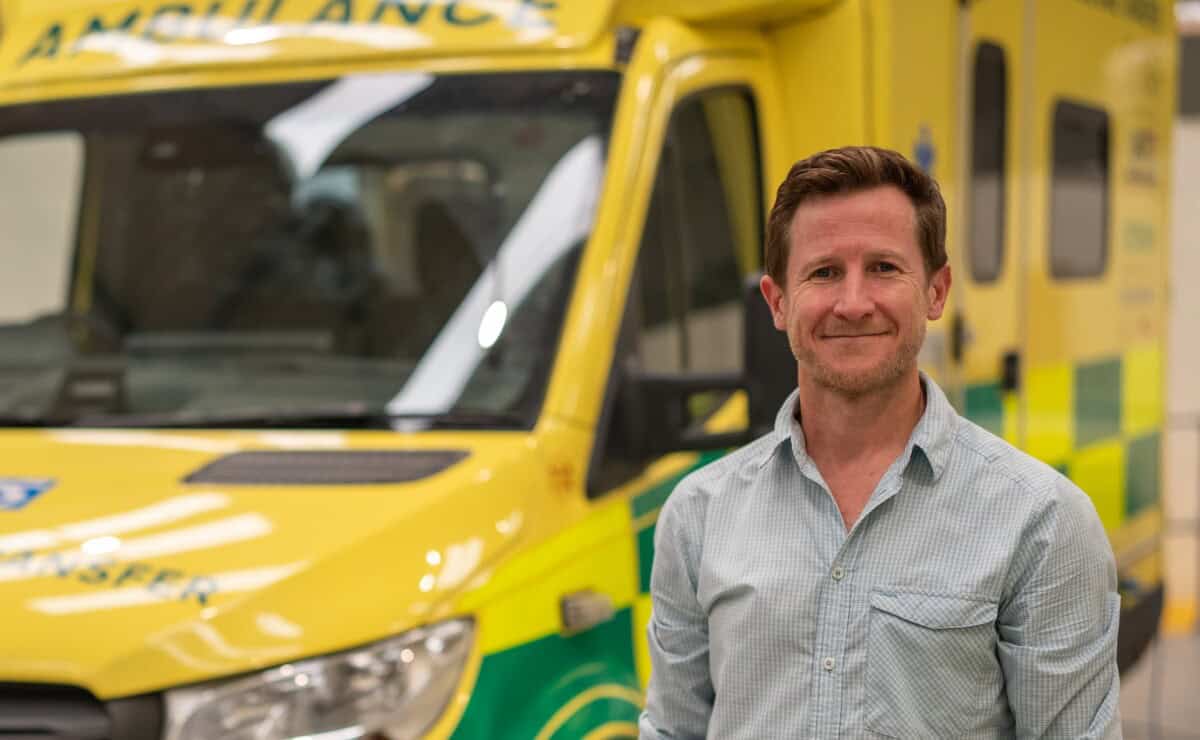
SoNAR Running Man – Big Miles for Tiny Lives
This September, SoNAR Lead Nurse Patrick Turton is lacing up his running shoes for an extraordinary challenge. Patrick is running more than 380 miles across the South West in just 14 days.
-
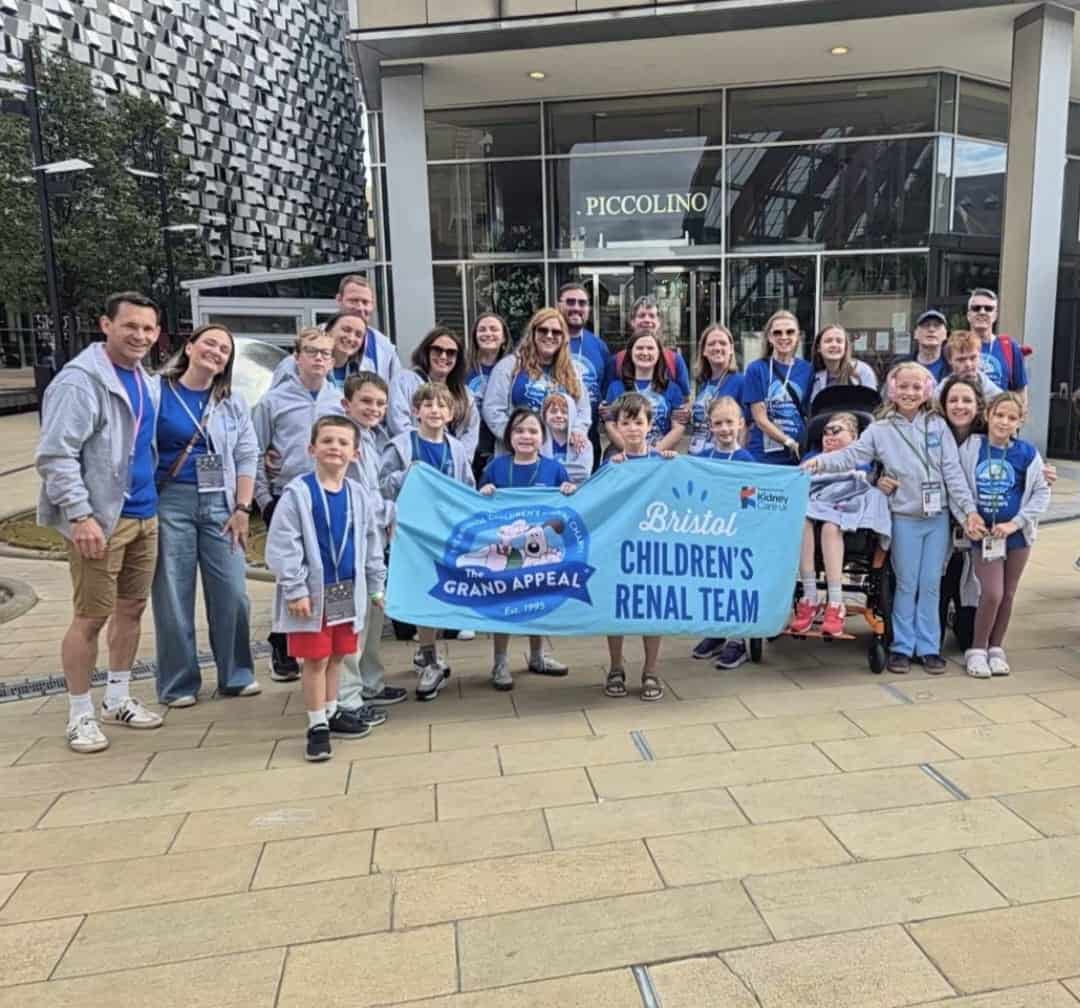
Bristol Children’s Hospital Team Shines at the British Transplant Games 2026
Bristol Children’s Hospital team celebrates success at the British Transplant Games 2026
-
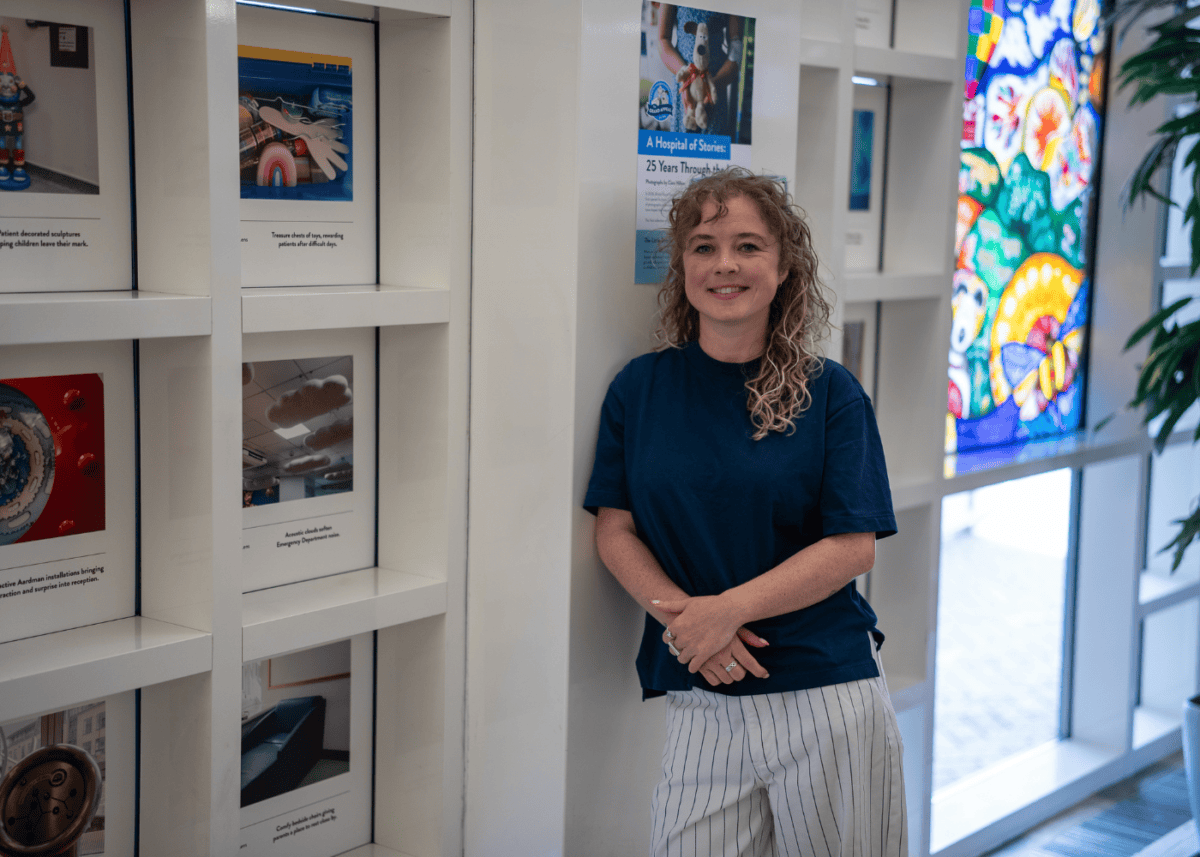
New Photography Exhibition Celebrates 25 Years of Bristol Children’s Hospital
A brand-new exhibition by former patient, Ciara, has opened in the hospital reception.