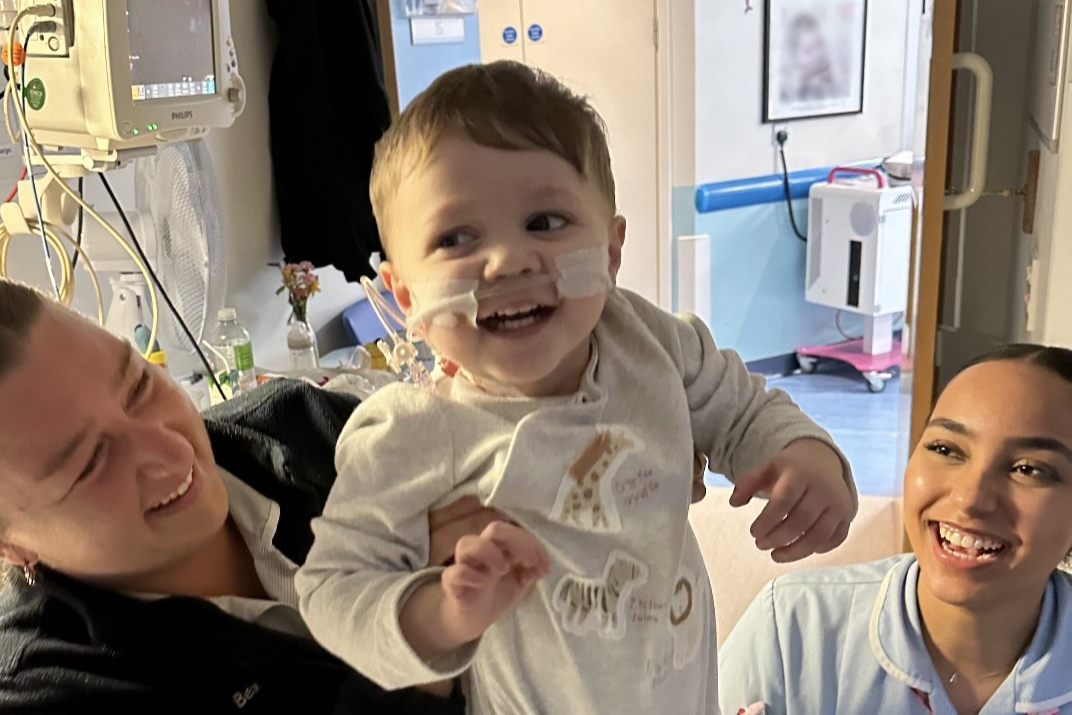
Miles was born with a hole in his heart. He could go into heart failure at any time unless he had a risky operation to save his life.
Despite the circumstances, Kelly and Gavin, knew their baby was in the very best hands at Bristol Children’s Hospital.
Kelly told us the story of Miles’ heart surgery, and how his superhero surgeon used The Grand Appeal’s 3D Printing Service to achieve an outcome that felt impossible.
“Miles’ heart defect was detected at my 20-week scan. Knowing about Miles’ condition so early made a huge difference to his outcome. Before he was born, everyone was already working out how to give him the best possible chance.
After another scan, we were told that Miles had a small hole in his heart which may correct itself without surgical intervention. But with each appointment, the message became bleaker. The hole in Miles’ heart was growing significantly, with no sign of closing or shrinking on its own.
Miles was delivered at St Michael’s Hospital in Bristol to ensure the right experts were on hand as soon as he was born. On 11 May 2022, our little boy arrived safely and was immediately taken to the Neonatal Intensive Care Unit (NICU), where he stayed for two days before being transferred down the road to Bristol Children’s Hospital.
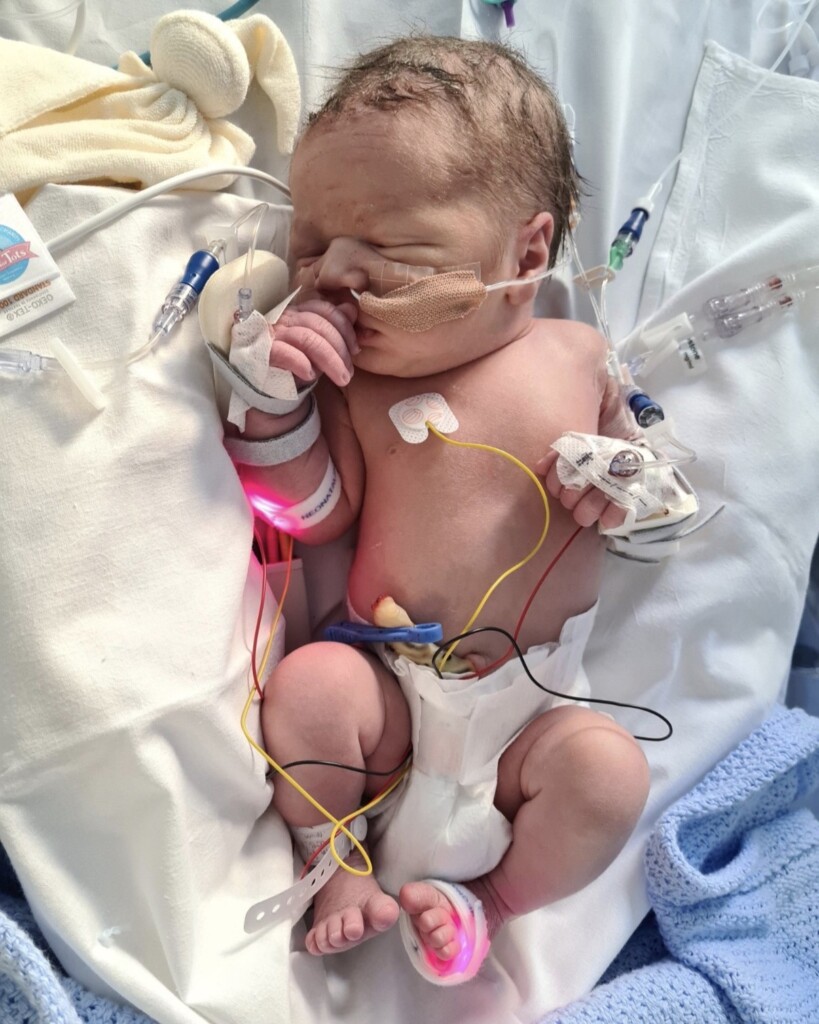
There was a risk that Miles had a second heart defect, which would have impacted his outcome significantly. A few days after Miles was born, NICU confirmed that it was ‘only’ the one defect. We were in disbelief; the relief was enormous.
Miles was on a lot of medication, but me and my husband, Gavin, were trained to administer his meds. This meant that we were able to take Miles home to Swansea when he was a week old. This was a huge deal for us as we got to be together as a family of four before Miles’ scheduled heart surgery.
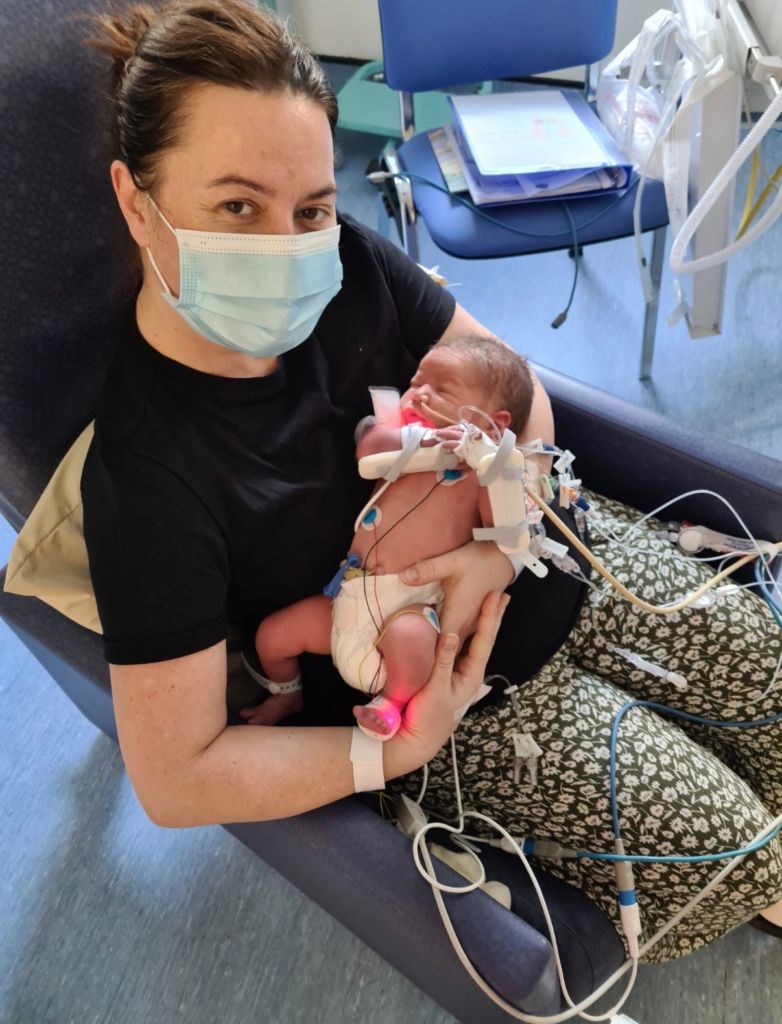
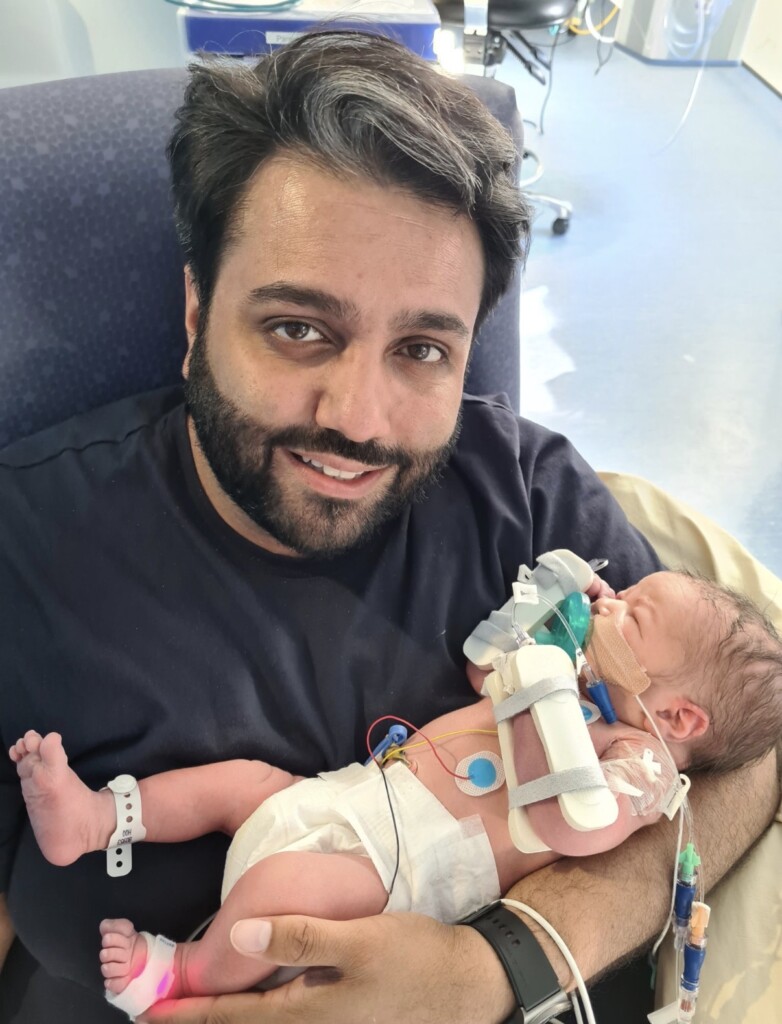
A week later, on the day we were registering Miles’ birth, his heart was getting worse by the hour. It was clear that Miles’ heart was failing and he needed rapid intervention. He was admitted to hospital in Cardiff for immediate care, but it was decided that Miles needed to be moved to Bristol Children’s Hospital for specialist treatment.
Miles was transferred to Bristol by ambulance, and we met his superhero surgeon, Dr. Shafi Mussa, for the first time. Dr. Shafi explained that he was going to help Miles by performing a surgery that would keep him safe from heart failure until he was older, at which point Miles could have further treatment.
During this time, Miles stayed on Dolphin Ward in Bristol Children’s Hospital, and the care he received from all staff was amazing, as was the support both Gavin and I received. I was feeling very unwell at that time, but I didn’t want to be away from Miles. Becky, one of the nurses on Dolphin Ward, picked up on this and ensured I received the care I needed.
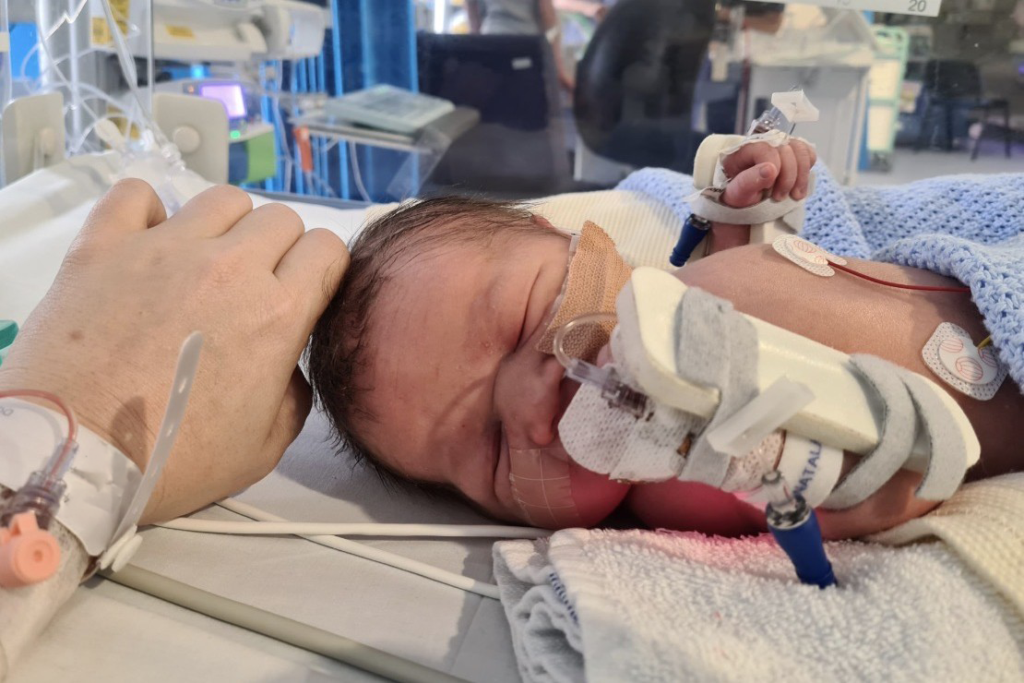
The night before Miles’ surgery, Gavin and I were shown around the Paediatric Intensive Care Unit (PICU), where Miles would stay after his surgery, so we knew what to expect from the environment when we visited him in intensive care.
Miles had his first open chest surgery exactly one month after he was born, and he handled it like an absolute champ. He stayed on PICU for one night, before being taken back to Dolphin Ward to begin his recovery from surgery. Six days later, Miles was discharged from Bristol and sent back home to our local hospital in Swansea.
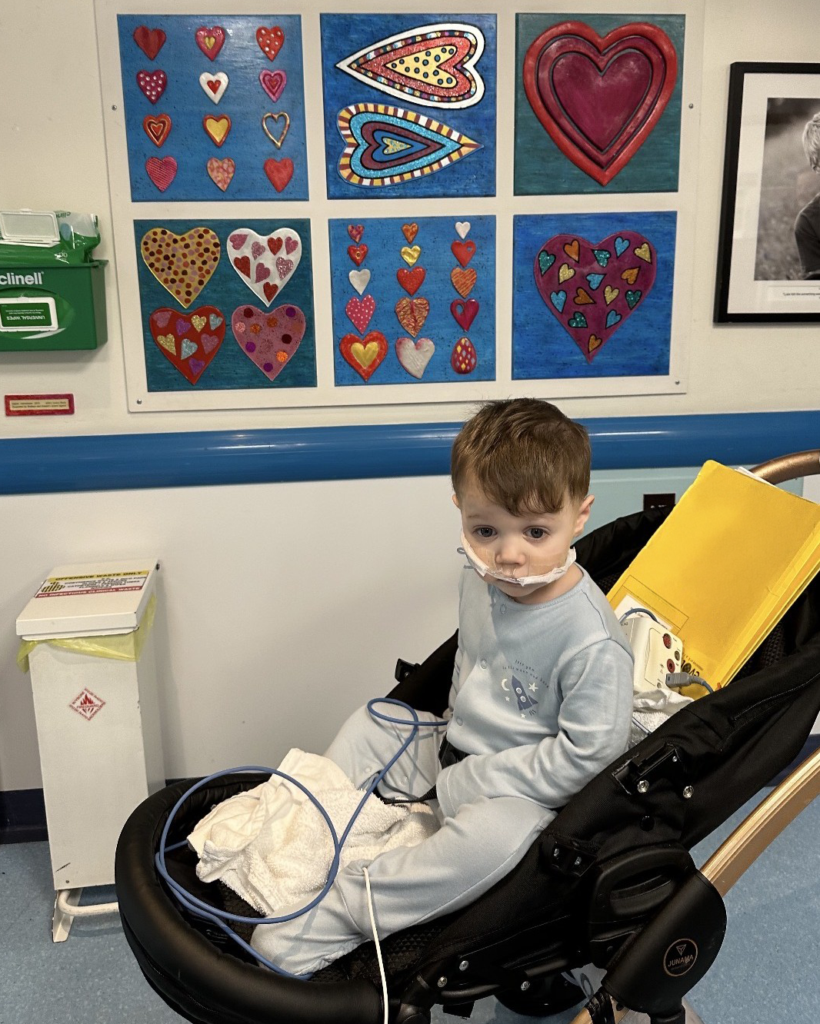
The hope was that Miles’ initial heart surgery would allow him to grow for a few more years before he needed surgery on his main defect. But Miles’ heart failure progressed more quickly than expected.
In 2024, consultants and cardiologists between Swansea, Cardiff and Bristol all agreed it was time for his next surgery. However, it wasn’t going to be simple. Miles’ scans showed that not only was the hole in his heart very large, but it was also in an extremely difficult position to operate on.
Dr. Shafi explained that Miles needed to undergo a cardiac MRI so his team could make appropriate plans for the surgery. The MRI gave them the digital imagery they needed to plan Miles’ surgery, as well as allowing them to create a 3D model of Miles’ heart. Shafi used these tools to assess Miles’ defect, get advice from other experts in the field, and come up with a few different plans for Miles’ surgery.
Dr. Shafi Mussa, Miles’ surgeonPhysical and virtual 3D technology is vital for planning surgery to repair unusual and complex heart defects.
We have a very dedicated and talented team who produce 3D models from patients’ scans. The models inform feasibility and surgical strategy to help achieve the best possible outcomes in this small group of patients who might otherwise not be considered for corrective surgery.
During this time, Miles was in the High Dependency Unit in Swansea, so Shafi FaceTimed us to share his findings and his plan. He gave a very honest assessment that Miles’ defect was pretty significant, and the planned repair was unconventional. When we asked what that meant, he said: “It’s never been done before”.
Kelly, Miles’ mumDr. Shafi has an amazing way of delivering difficult news in a way that leaves you feeling confident that Miles is in the right hands. We always have and always will trust Shafi.
I will never forget his grace and respect for us as parents, or his patience when faced with a million questions and challenges.
Shafi initially had three plans for Miles’ surgery, although plan A was the one that would give Miles the best chance of a full and healthy life. There was a low chance of success for the desired plan.
Miles was transferred back to Bristol Children’s Hospital ahead of his heart surgery. The Dolphin Ward team once again showed him amazing care, and his surgical teams were fully prepped for his arrival and his surgery. The staff gave us an enormous sense of comfort.
Miles’ brother and grandparents came to see him the day before his surgery, and we were told in a very sensitive way to ‘enjoy’ our time with him. Shafi came to see us to explain his plan again, as well as the alternative plans if he was unable to follow plan A.
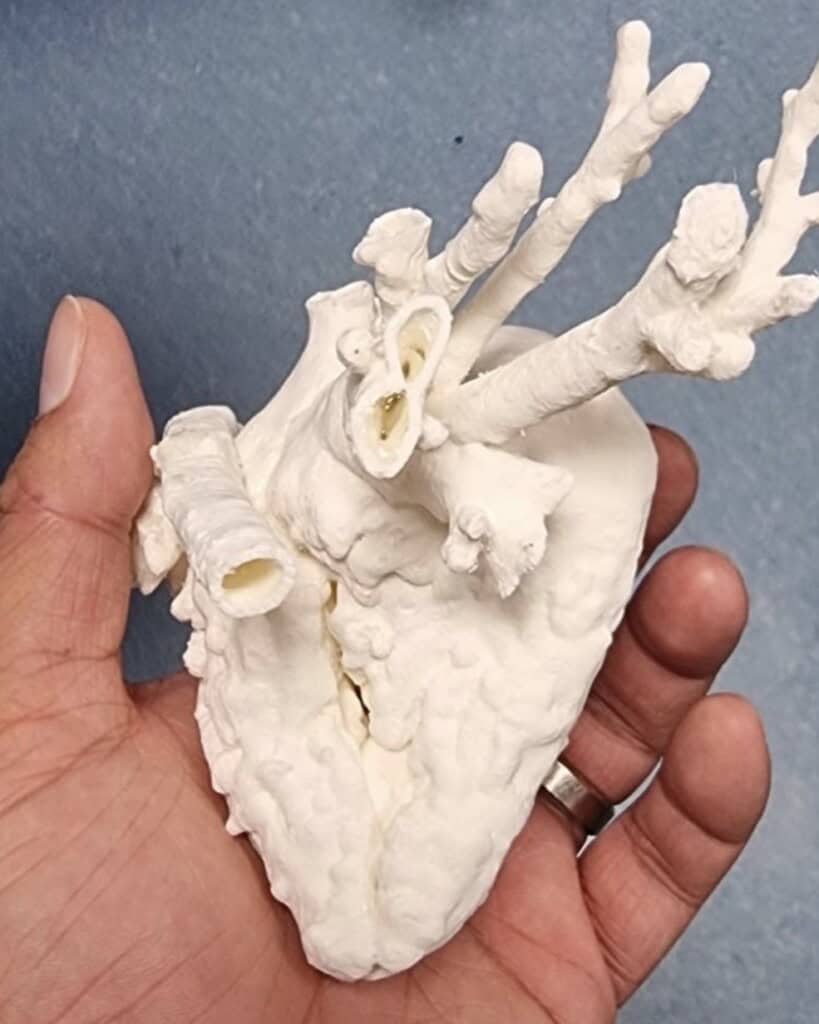
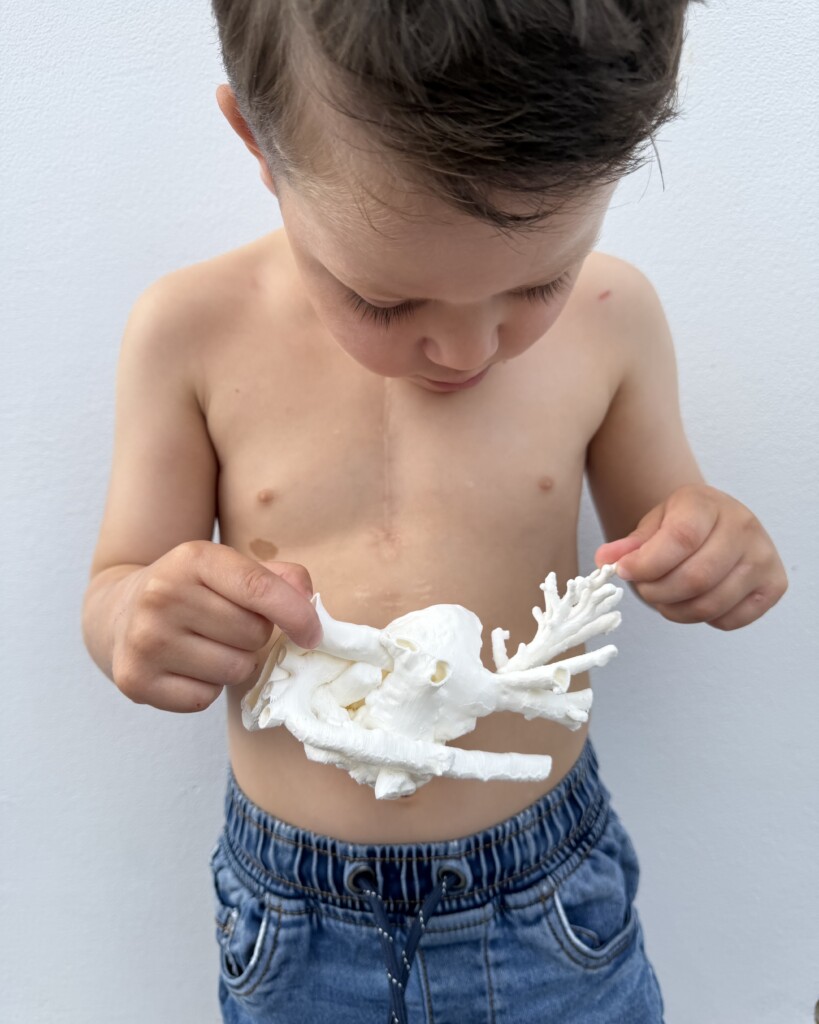
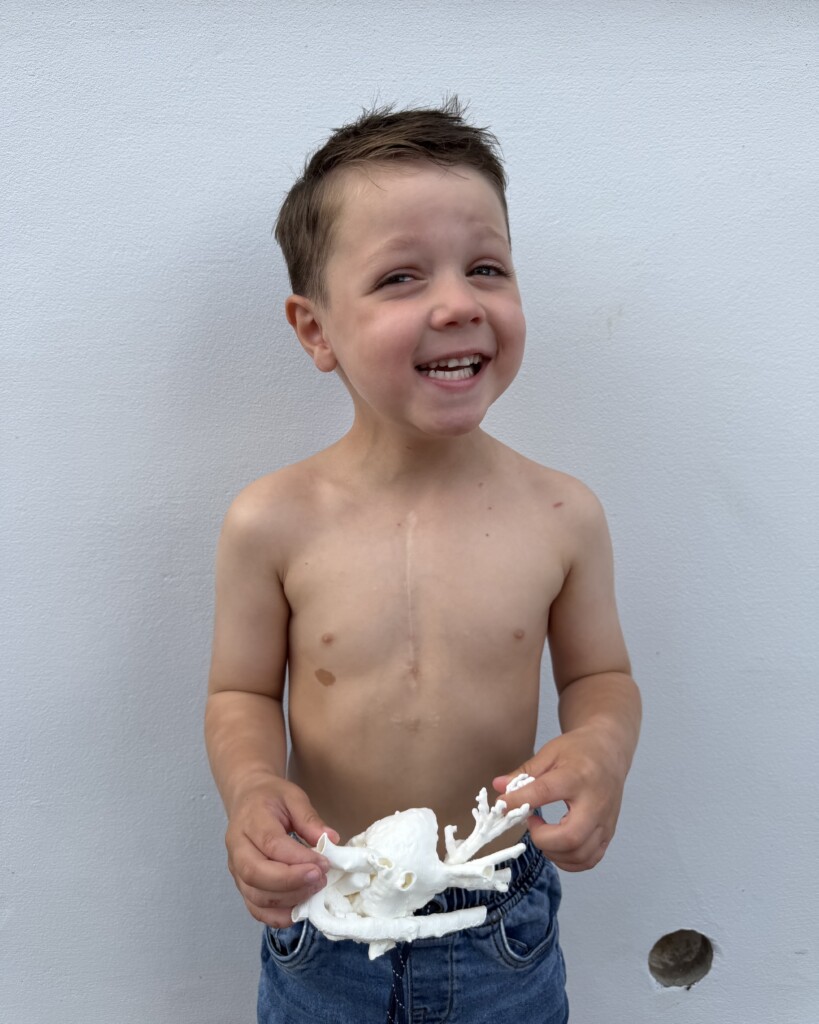
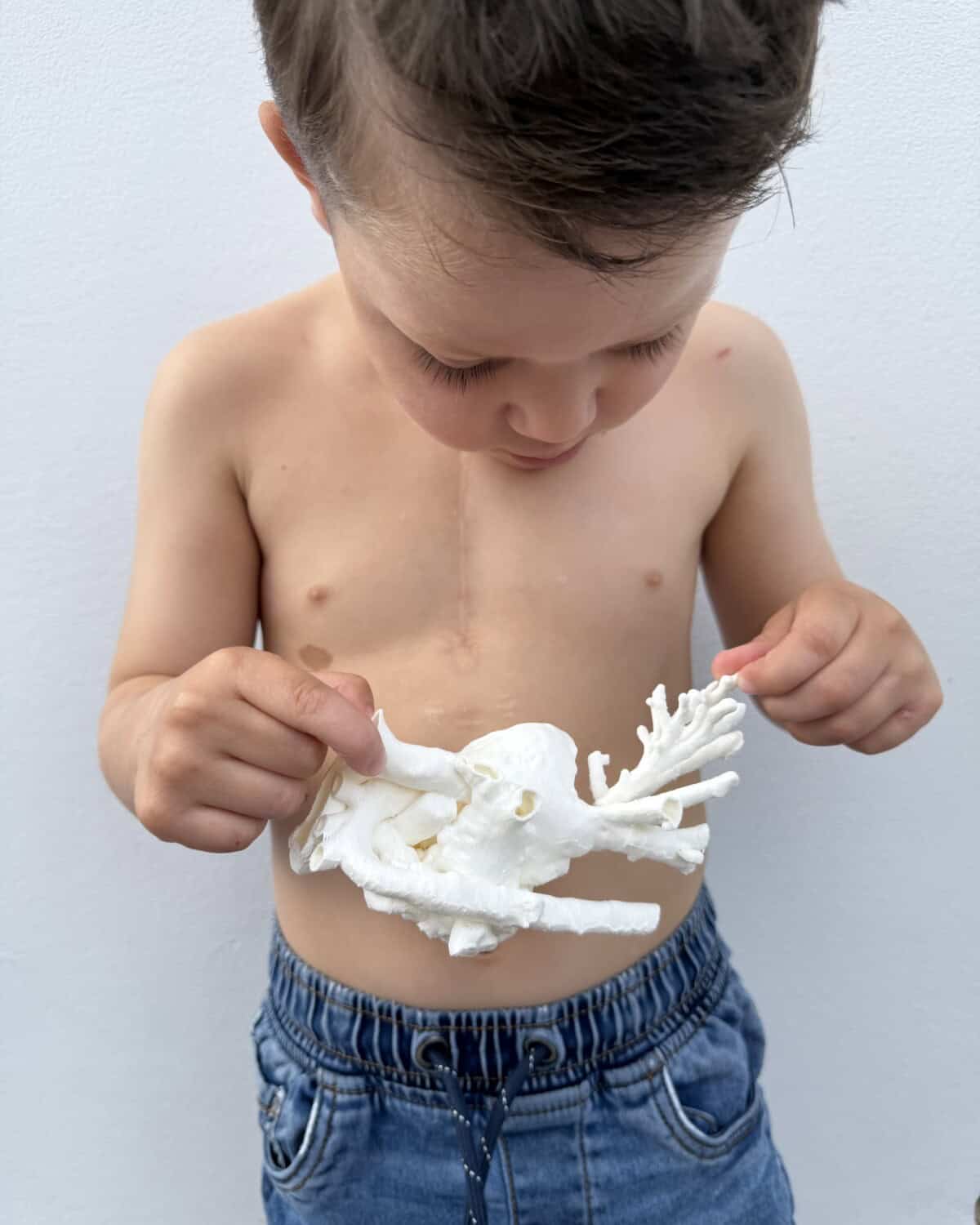
He brought the 3D print of Miles’ heart with him to show us exactly what he planned to do. You could see the cuts in the 3D model that had been made already. Shafi also explained that he’d been able to use the imagery from the 3D scan to test some scenarios in virtual reality.
Kelly, Miles’ mumIt’s clear to me that if it had not been for the use of this technology in Miles’ case, I would not be able to share such a positive outcome. I don’t actually think Miles would be here today.
There was no way of telling how the surgery would go until Shafi was in the theatre and surgical cuts into Miles’ heart had been made, but he had the best head start we could hope for. I will never forget the conversations we had with Shafi and other members of staff that day. Everything from ‘full recovery’ to ‘organ donation’ had to be discussed and signed for.
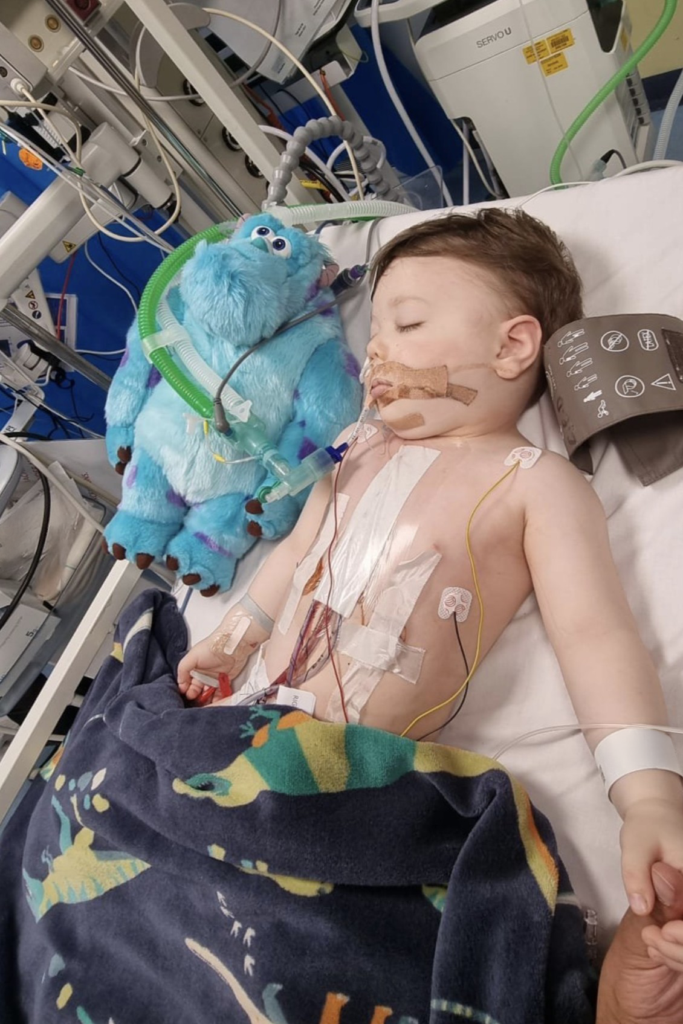
Miles was in surgery all day on 18 April 2024. It was by far the longest day of our lives. The phone rang just after 6pm. Shafi had called us immediately, explaining he couldn’t even hold his phone because he still had his scrubs and gloves on. I will never forget his words: “You have the strongest little boy. We’ve closed it. Plan A worked. He’s going to be OK”.
I cannot even describe the feeling at hearing those words. Not only had Shafi saved Miles’ life, but he’d made sure that it was going to be a long and happy one, where Miles could experience life to the fullest with limited medical intervention.
Of course, Shafi credited his team massively, as do we, but we honestly feel that Shafi’s approach, his thinking and compassion that goes beyond what is directly in front of him, is what saved Miles’ life.
Kelly, Miles’ mumMiles’ surgery was only possible because of Shafi’s willingness to use and trust in the technology, his proactive approach to seek opinions from other professionals in the field, and his leadership in creating a safe environment during Miles’ surgery where anyone could speak up at any time.
We arranged to meet Shafi outside PICU before seeing Miles, so that he had chance to fully debrief and prepare us before we were reunited with our little boy. Although it was difficult to see Miles in PICU, the outcome from his surgery was so amazing that it was a surreal feeling. We spent time with Miles that evening and just stared at him in disbelief. What the teams at Bristol had done, in my eyes, was nothing short of a miracle.
Shafi came by to see us again, and he handed me a 3D print of Miles’ heart. He said “That’s for you. The other one is going to sit on my desk. I doubt I will ever see another one like that”. Then, he headed off to conduct another surgery. He is by far the most amazing person I know – after Miles, of course.”
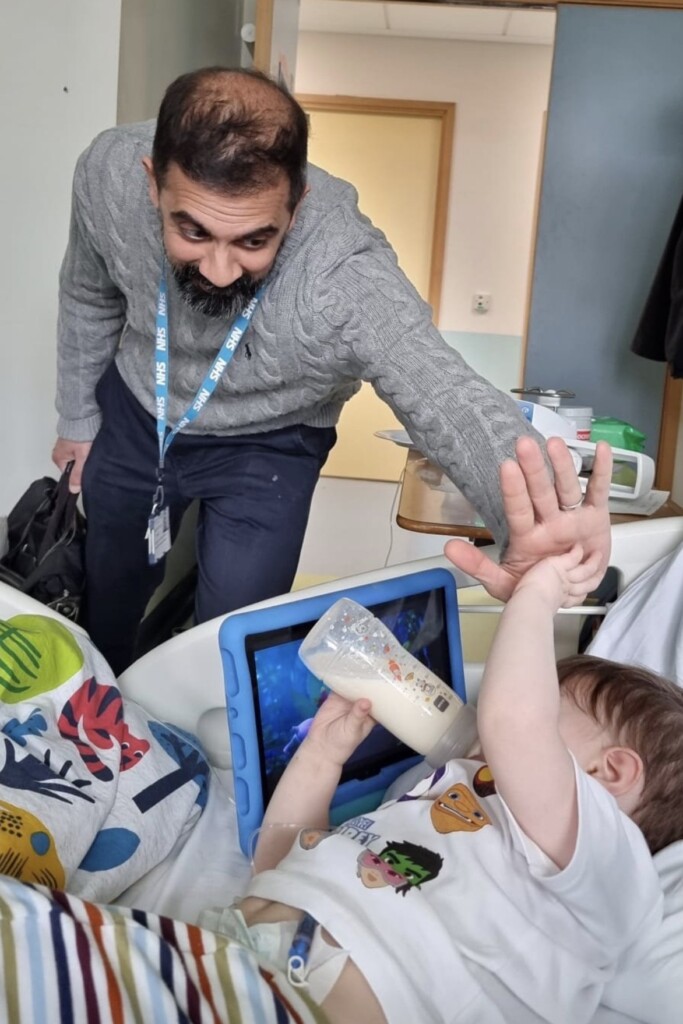
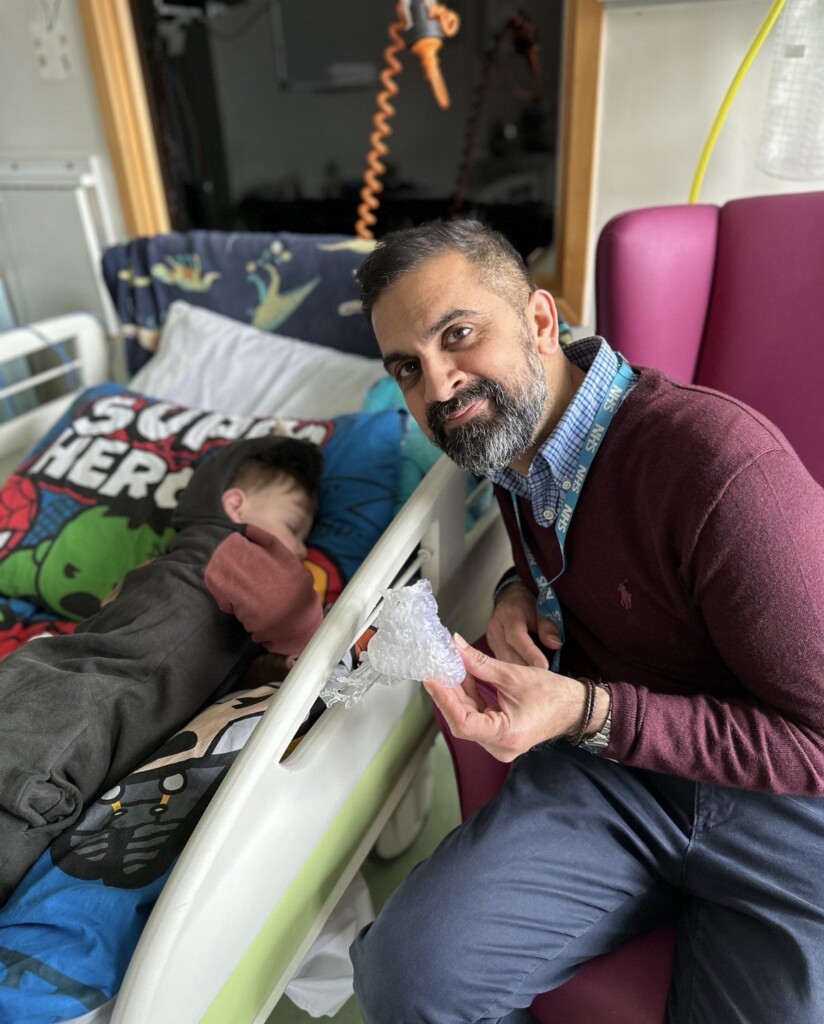
Thanks to funding from The Grand Appeal, the cardiac 3D modelling service for Bristol Children’s Hospital is not only improving care today but driving the future of personalised medicine for young patients. Thanks to the generosity of The Underwood Trust, this work is now firmly established as a world-leading resource.
Support children like Miles
Help us fund cutting-edge medical equipment for Bristol Children’s Hospital.
Meet other young patients…
-
Cots for Tots
Bethany and Hazel
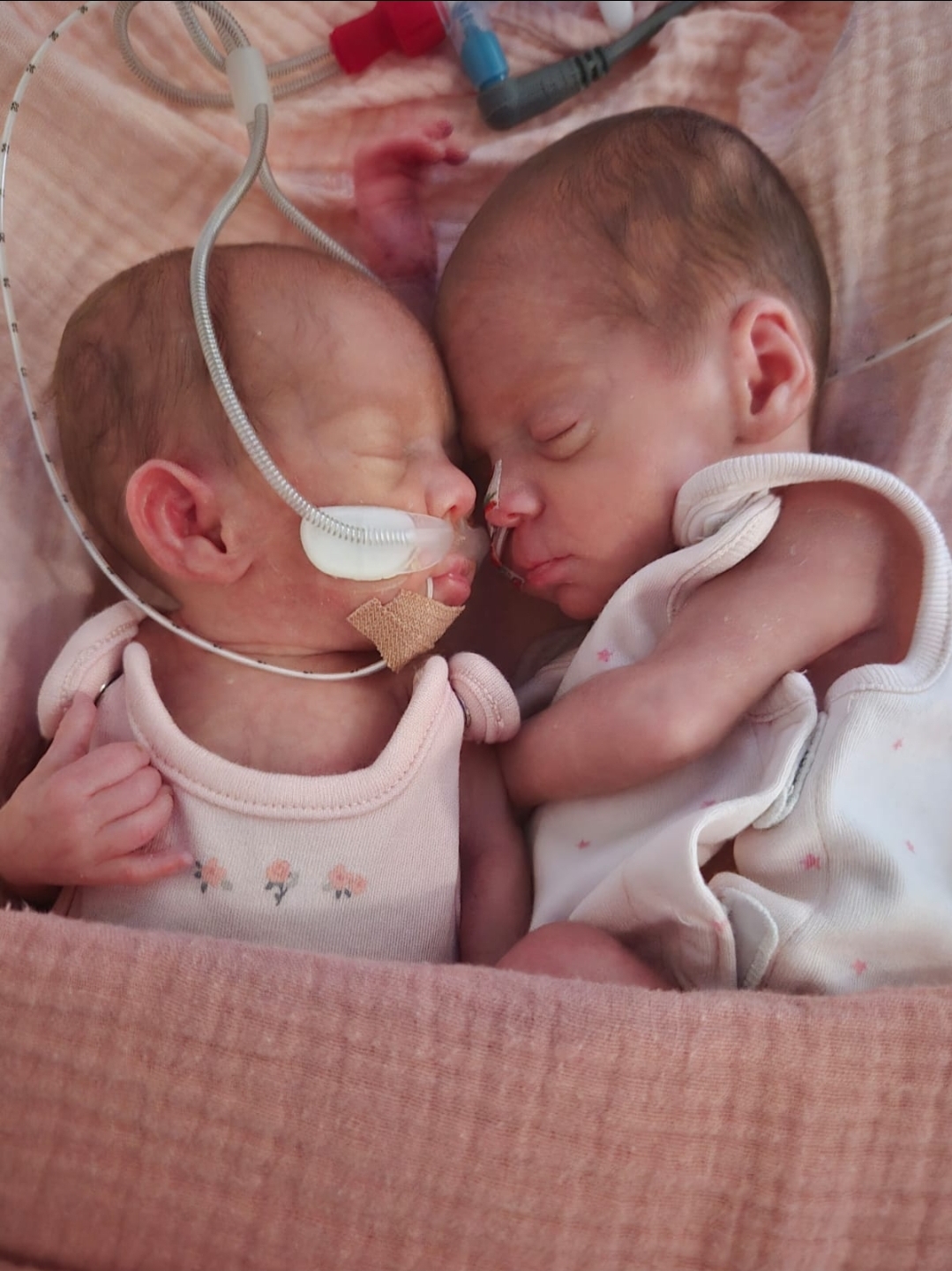
To mark Neonatal Intensive Care Unit (NICU) Awareness Day, we spoke to Kathryn, whose life changed forever in July, when her twins, Bethany and Hazel, were born just 28 weeks into her pregnancy. Kathryn, told us the story of her twin’s surprising arrival, and the comfort and support her family found amidst one of […]
-
The Grand Appeal
Rowan
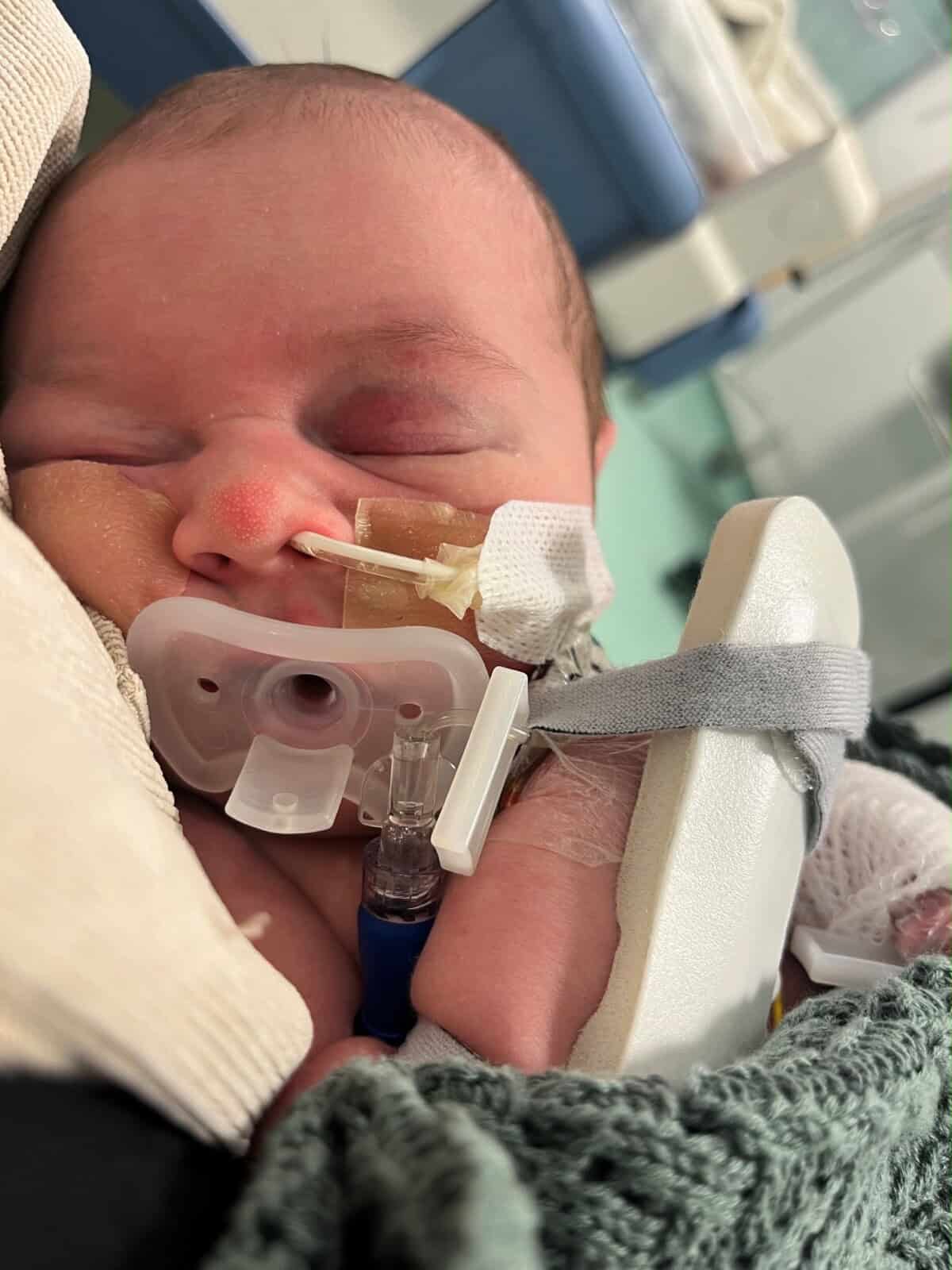
As a new born baby, Rowan was diagnosed with Hirschsprung’s disease, a rare congenital bowel condition that affects around 1 in every 5,000 babies.
-
The Grand Appeal
Blaise
Blaise was born with a condition so rare that it’s still under investigation.